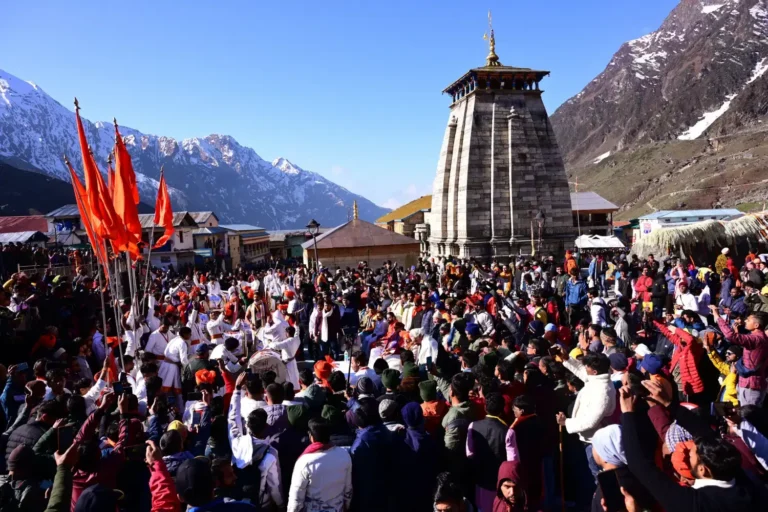
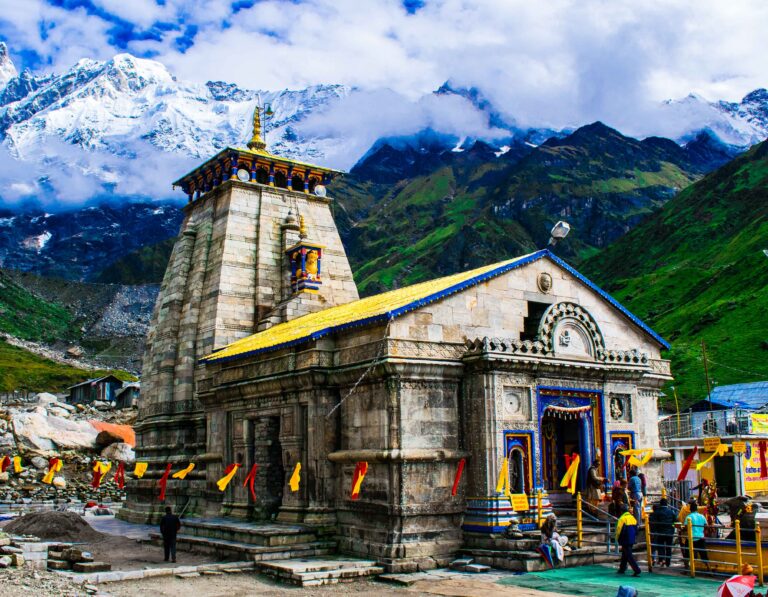
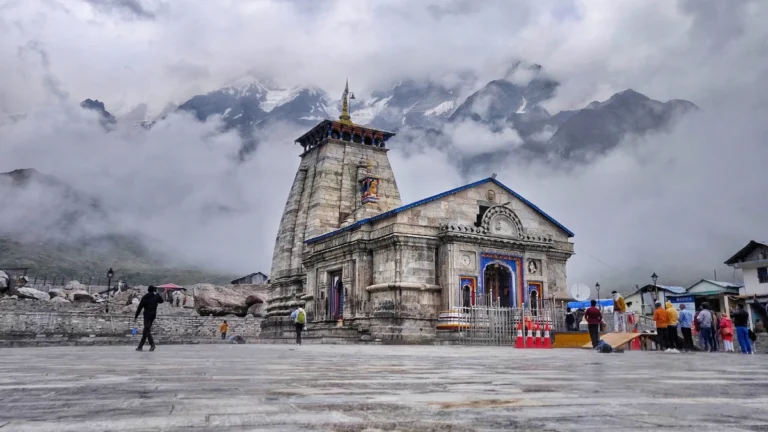
Kedarnath is one of those pilgrimages that mixes awe, altitude and absolutely unpredictable Himalayan weather. At ~3,583 m above sea level the town is high enough to demand respect from your gear and planning — temperatures swing wildly, the trail can be wet or snowy, and services are basic once you leave Gaurikund. So don’t treat packing as an afterthought. Pack smart, pack light-ish, and pack what’ll keep you warm, dry and safe. (Yes, even your smartphone battery matters.)
Below is a practical, no-nonsense, category-by-category guide plus a tidy checklist at the end. I’ll explain why each item matters so you don’t end up borrowing a soggy raincoat from a shop at 2,500 m.
Quick pre-departure essentials (don’t forget these)
- Valid photo ID (Aadhaar / passport / voter ID) — needed for registration and checkpoints. Many online registration systems ask for it.
- Permits/registration printout or screenshot (if you registered online).
- A small amount of cash (mobile connectivity/ATMs are limited).
- Copies of emergency contacts and accommodation details.
Why: Authorities and local services often require ID and registration. Keeping physical and digital copies avoids delays if your phone dies.
Clothing — layer like a pro
Kedarnath’s weather can switch from sunny to sleet or snow in hours. Layering is the easiest way to manage temperature and moisture.
- Base layers (next-to-skin)
- Moisture-wicking thermal tops and bottoms (merino or synthetic). They keep sweat off your skin and reduce chill when you stop.
- Mid layers
- Fleece or wool sweater. Lightweight insulated jacket for colder evenings.
- Outer layer (shell)
- Waterproof, breathable rain jacket with hood (Gore-Tex-style or good rainproof). A waterproof windcheater or down jacket for sub-zero temps — yes, bring both if you visit outside peak summer. Mountain forecasts show sudden heavy snow and severe cold at times, so don’t skimp.
- Trekking pants + thermals
- Quick-dry trousers; bring thermal leggings if traveling in shoulder or winter months.
- Accessories
- Warm hat/beanie, neck gaiter / buff, thermal gloves plus a thin liner glove, and waterproof over-gloves if you expect snow.
- Socks
- 2–3 pairs merino or synthetic trekking socks; 1 pair lightweight cotton for camp (if staying overnight).
Why: Layering lets you add/remove clothing to keep a stable core temperature while trekking. Temperatures can drop below freezing; mountain forecasts and weather services show such variability for Kedarnath.
Footwear — the often-neglected hero
- Sturdy trekking boots (ankle support, good grip). Break them in before the trip.
- Light trail shoes / sandals for the lodges/temples after the trek.
- Gaiters if you expect snow or heavy rain/mud — they keep debris out of your boots.
- Extra laces and a cheap micro-spike/crampon rental plan if you’re going in winter/early spring when ice is likely. (Local rental shops at base camps often rent technical gear.)
Backpacking gear & daypacks
- Main backpack 40–55 L if you’re carrying an overnight kit; 30–40 L can work for a daypack + porter/ponies if you plan to lighten load.
- Daypack (20–30 L) for water, snacks, jacket, camera, docs during the trek.
- Rain cover + dry bags / zip-locks to keep clothes and electronics dry.
- Trekking poles — excellent for knee protection on steep/muddy sections. Many people rent them at trailheads.
Health, safety & first aid
- Basic first-aid kit (plasters, antiseptic, blister pads, bandage).
- Altitude sickness basics: acetazolamide (Diamox) only if prescribed by a doctor; paracetamol; oral rehydration salts. Consult a physician before using altitude medication.
- Personal medicines (bring extras) and prescriptions.
- Hand sanitizer, quick-dry towel, wet wipes.
- Sunscreen (high SPF) and lip balm — high-altitude sun is intense.
- Water purification tablets or a Steripen — safe hydration is essential; don’t rely only on unfiltered sources.
- Emergency whistle, small multitool, whistle, and a compact emergency blanket.
Why: The trail and altitude are unforgiving; blisters, dehydration and mild AMS are common. Come prepared and conservative.
Electronics & comfort
- Headlamp + spare batteries (hands-free is invaluable).
- Power bank(s) — portable charging for phones/camera. Solar chargers are nice but slower.
- Phone + offline maps / trekking route screenshots. Network is patchy; offline maps help.
- Camera / GoPro (optional) + spare memory cards.
- Earplugs and an eye mask for shared dorms/guesthouses.
Why: Lodges may have limited charging; headlamps and power banks are lifesavers for early starts and late arrivals.
Food & hydration
- Reusable water bottle / insulated flask (hot water is a blessing above 3,000 m).
- High-energy snacks: nuts, energy bars, glucose candies, roasted chana, dry fruits.
- Electrolyte powder to replace salts lost through exertion.
Local tea shops sell chai and maggi, but carrying your favorites avoids hunger on long stretches.
Spiritual & personal items
- Small puja kit (if desired): flowers, incense (check local rules), small offerings.
- Comfortable clothes for temple visit; many prefer conservative, simple attire.
- Passport-size photos (some registration or local paperwork may request them).
Practical tips & local realities
- Weather windows matter: the pilgrimage season usually runs from late April/May through November; the temple traditionally closes in winter (heavy snowfall) when the deity is moved to Ukhimath. Check official dates before booking.
- Rent vs. buy: heavy sleeping bags, crampons and poles can be rented at base towns — helpful if you want to avoid extra luggage. But basics (thermals, good boots) should be yours.
- Layer and compress: use compression sacks to save space and organize layers.
- Keep a small “wash” pouch with quick-dry towel, toothbrush, and biodegradable soap.
- Leave space for souvenirs — Himalayan mementos are tempting; don’t pack your bag to the brim.
The Ultimate Checklist (print or screenshot this)
Documents & money
- ID (Aadhaar/Passport) + registration screenshot.
- Cash (small denominations).
Clothing
- Thermals (top & bottom)
- Fleece jacket + down jacket
- Waterproof shell (jacket & pants)
- Trekking pants + spare shorts (if summer)
- Warm hat, gloves, buff/necker
- 2–3 pairs trekking socks
Footwear
- Trekking boots (broken-in)
- Camp sandals / slip-ons
- Gaiters
Gear
- 40–55 L backpack + 20–30 L daypack
- Rain cover + dry bags/ziplocks
- Trekking poles
- Headlamp + spare batteries
Health & safety
- First-aid kit + blister care
- Prescribed altitude meds (if doctor-prescribed)
- Sunscreen & lip balm
- Water purification tablets / bottle with filter
Electronics
- Phone + powerbank(s)
- Camera + extra batteries/cards
- Headphones / earplugs
Extras
- Snacks + electrolyte powder
- Small puja items + spare passport photos
- Lightweight lock, travel towel, toilet roll
Final notes — wise, short and true
Kedarnath is spiritually powerful and physically demanding. The smartest pilgrims are those who respect the mountain and prepare well: layers for warmth, waterproofs for weather, reliable boots for the trail, and a basic medical kit for common problems. Local services can rent or sell some gear, but choices and sizes are limited at high-altitude towns — bring what matters most to you. And check official registration dates, temple opening/closing schedules and weather forecasts before you go.