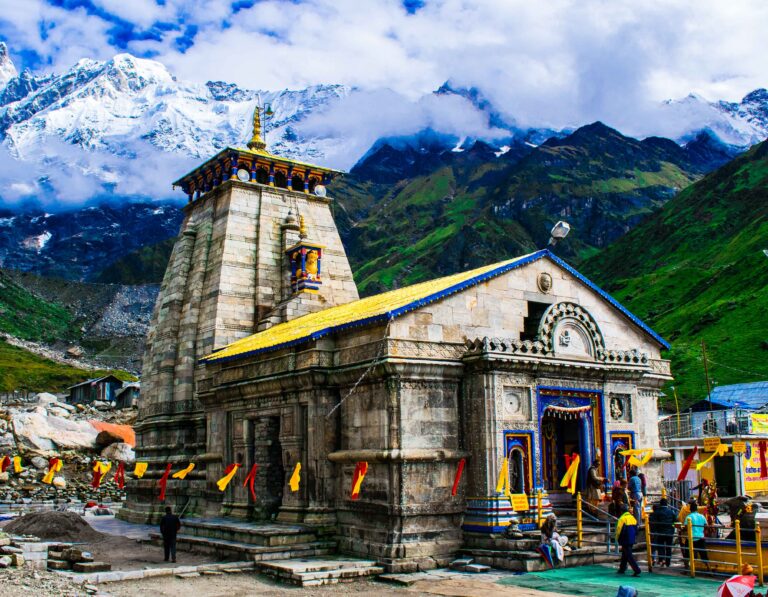
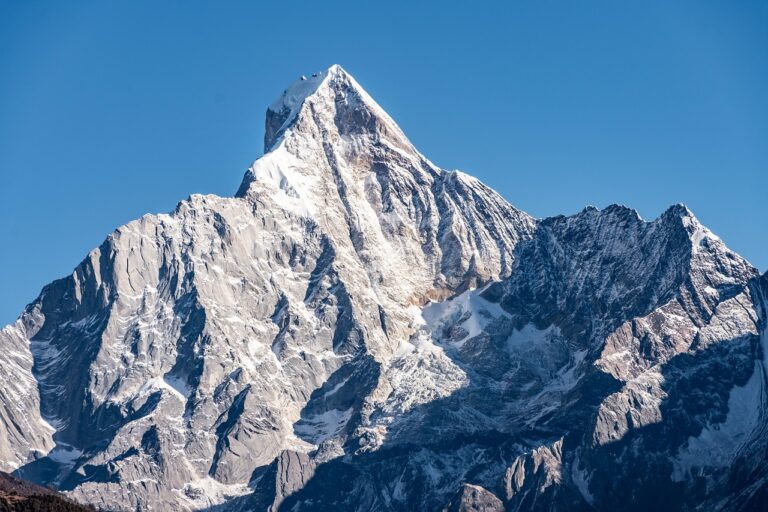
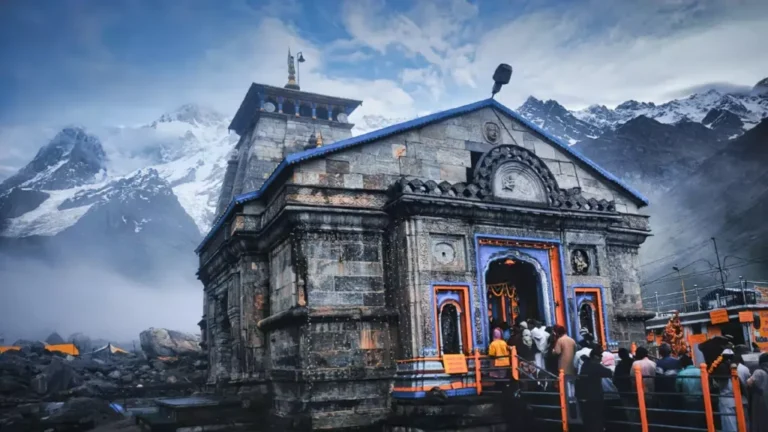
The Chardham Yatra—covering Yamunotri, Gangotri, Kedarnath, and Badrinath—is one of India’s most sacred pilgrimage journeys. Nestled deep in the Garhwal Himalayas of Uttarakhand, this spiritual circuit attracts lakhs of devotees every year.
However, planning a Chardham Yatra can feel overwhelming due to high altitude, unpredictable weather, travel logistics, health considerations, and government regulations. With the right preparation, though, your yatra can be smooth, safe, and deeply fulfilling.
This guide explains how to plan your Chardham Yatra trip easily, even if you’re a first-time traveler.
1. Understand the Chardham Route and Order
Before planning anything else, it’s important to understand the traditional order of the Chardham Yatra:
- Yamunotri – Source of River Yamuna
- Gangotri – Source of River Ganga
- Kedarnath – One of the 12 Jyotirlingas of Lord Shiva
- Badrinath – Sacred temple of Lord Vishnu
Most pilgrims follow this clockwise route starting from Haridwar or Rishikesh, as it helps with gradual altitude gain and acclimatization.
2. Choose the Best Time for Chardham Yatra
The Chardham temples remain open only for part of the year due to heavy snowfall.
Ideal Time to Travel
- May to June – Best weather, clear routes, peak season
- September to October – Less crowded, pleasant weather
Avoid These Months
- July–August – Monsoon season causes landslides and roadblocks
- Winter (Nov–April) – Temples remain closed
Tip: If you want an easier and less crowded yatra, plan your trip in September.
3. Complete Mandatory Registrations Early
The Uttarakhand government makes Chardham Yatra registration mandatory for all pilgrims.
Required for Registration:
- Valid government ID (Aadhaar, Passport, Voter ID)
- Travel dates
- Mobile number
Registration can be done:
- Online through the official portal
- Offline at designated counters in Haridwar, Rishikesh, and other cities
Without registration, entry at temple checkpoints may be denied.
4. Decide Your Mode of Travel
Your travel choice plays a major role in how easy your Chardham Yatra will be.
A. By Road (Most Popular)
- Suitable for families, senior citizens, and group travelers
- Flexible halts and better acclimatization
B. Helicopter Yatra
- Ideal for senior citizens or time-bound travelers
- Expensive but fastest option
- Requires early booking and weather flexibility
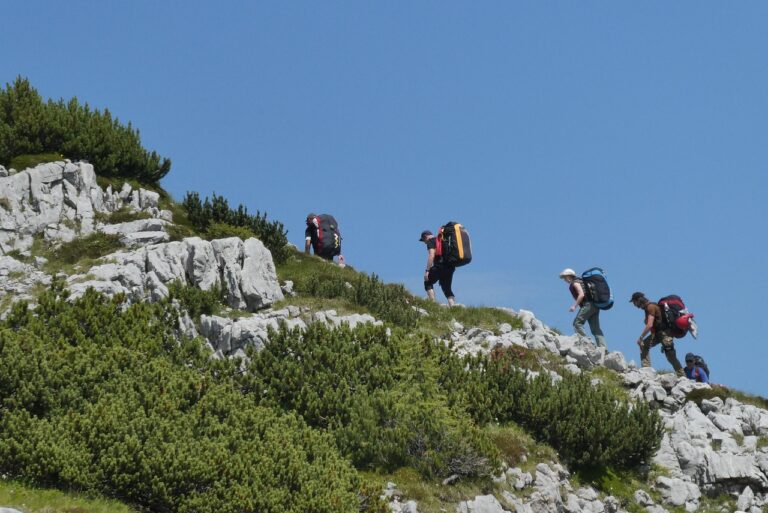
C. Trekking
- Kedarnath requires a 16–18 km trek from Gaurikund
- Ponies, palkis, and helicopter services are available
5. Plan a Realistic Itinerary
Rushing through the Chardham Yatra can cause fatigue and altitude sickness.
Sample 10-Day Easy Itinerary
- Day 1: Haridwar / Rishikesh arrival
- Day 2: Haridwar – Barkot
- Day 3: Yamunotri Darshan
- Day 4: Barkot – Uttarkashi
- Day 5: Gangotri Darshan
- Day 6: Uttarkashi – Guptkashi
- Day 7: Kedarnath Darshan
- Day 8: Guptkashi – Joshimath
- Day 9: Badrinath Darshan
- Day 10: Return to Haridwar
Adding buffer days helps handle weather delays.
6. Book Accommodation in Advance
Accommodation options in Chardham regions are limited, especially during peak season.
Types of Stay:
- Budget hotels
- GMVN guesthouses
- Dharamshalas
- Camps
Booking Tips:
- Pre-book stays near Kedarnath and Badrinath
- Choose hotels with hot water and heating facilities
- Avoid last-minute bookings during May–June
7. Prepare for Health and Fitness
Chardham Yatra involves high altitudes ranging from 3,000 to 3,600 meters.
Health Preparation Tips:
- Start walking or light exercise 3–4 weeks before the trip
- Carry prescribed medicines
- Get a basic health check-up if you have BP, asthma, or diabetes
Prevent Altitude Sickness:
- Drink plenty of water
- Avoid alcohol and smoking
- Walk slowly and rest frequently
8. Pack Smart for the Mountains
Packing wisely makes your journey comfortable.
Essential Packing List:
- Warm jackets and thermals
- Raincoat or poncho
- Trekking shoes with good grip
- Woolen socks and gloves
- Sunscreen and sunglasses
- Torch and power bank
- Personal medicines and first-aid kit
Even in summer, temperatures can drop suddenly in the Himalayas.
9. Plan Food and Hydration Carefully
Food availability is limited in remote areas.
Food Tips:
- Eat light, vegetarian meals
- Avoid overeating at high altitudes
- Carry dry fruits, glucose biscuits, and ORS
Drink only purified or packaged water to avoid stomach issues.
10. Follow Safety and Local Guidelines
Your safety depends on following rules set by local authorities.
Important Safety Tips:
- Follow weather advisories
- Do not travel at night in hilly regions
- Avoid shortcuts and unsafe routes
- Respect temple rules and local customs
Keep emergency contacts saved in your phone.
11. Travel with a Trusted Tour Operator (Optional)
If you want a stress-free journey, choosing a reliable Chardham tour operator can make planning much easier.
Benefits:
- Pre-planned itinerary
- Hotel and transport arrangements
- Local drivers experienced in mountain roads
- Assistance during emergencies
This is especially helpful for senior citizens, families, and first-time pilgrims.
12. Budget Your Chardham Yatra Smartly
Your budget depends on travel style and duration.
Approximate Cost (Per Person):
- Budget road trip: ₹25,000–₹35,000
- Standard tour package: ₹35,000–₹55,000
- Helicopter Yatra: ₹1.5–2.5 lakh
Always keep extra cash for emergencies, as ATMs may not work everywhere.
13. Keep a Spiritual Mindset
Beyond logistics, remember that Chardham Yatra is a spiritual journey.
- Practice patience
- Respect fellow pilgrims
- Spend time in prayer and reflection
- Disconnect from daily stress
The journey is as meaningful as the destination.
Final Thoughts
Planning your Chardham Yatra doesn’t have to be complicated. With early registrations, realistic itineraries, smart packing, and health preparation, you can enjoy a safe, smooth, and spiritually enriching experience.
Whether you travel independently or with a tour operator, careful planning ensures that your Chardham Yatra becomes a cherished memory rather than a tiring challenge.
May your journey be blessed and fulfilling. 🙏