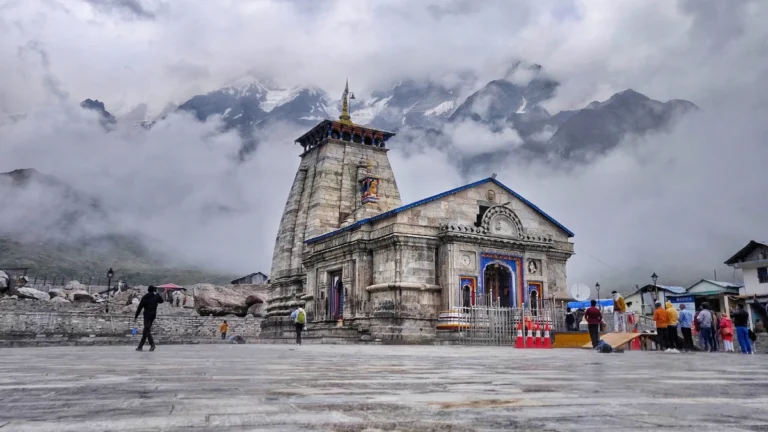
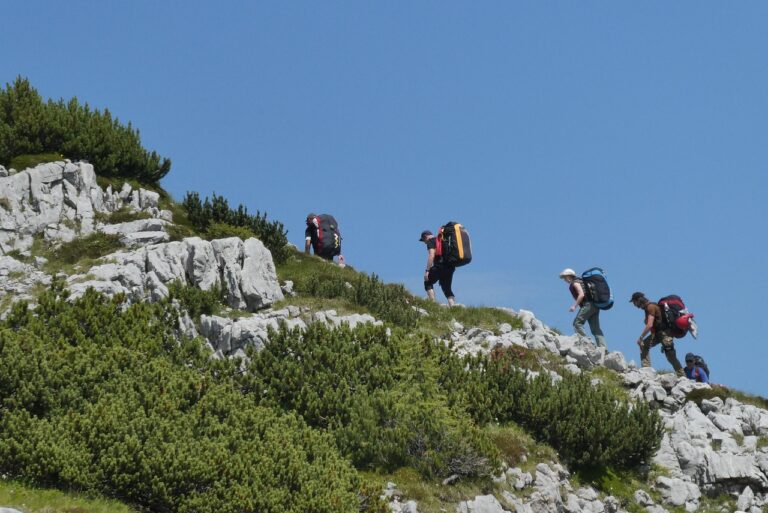
The pilgrimage to Kedarnath Temple is one of India’s most moving spiritual experiences — a blend of devotion, high-altitude trekking, and unpredictable mountain weather. New pilgrims often underestimate the physical and logistical challenges. Below are the most common mistakes beginners make on the Kedarnath yatra, why they matter, and practical fixes so your trip is safe, respectful, and memorable.
1) Underestimating altitude and acclimatisation
Mistake: Treating Kedarnath like any lowland temple visit and attempting to rush from valley to shrine in a single day.
Why it’s risky: Kedarnath sits at roughly 3,583 metres (about 11,750 ft) above sea level, so oxygen levels are significantly lower than in the plains. Rapid ascent without rest increases the risk of Acute Mountain Sickness (AMS): headache, nausea, dizziness, breathlessness and, in severe cases, life-threatening pulmonary or cerebral edema.
Fix: Plan progressive acclimatisation. Spend a night at an intermediate altitude (e.g., Rudraprayag / Sonprayag / Gaurikund) before the final trek. Move slowly on the trail, hydrate frequently, avoid alcohol, and know early warning signs of AMS. Carry a basic first-aid kit and consult a doctor beforehand if you have heart or respiratory issues.
2) Poor fitness preparation — the trek is steeper than it looks
Mistake: Thinking the path is an easy walk; showing up without stamina training.
Why it’s risky: The commonly quoted approach trek from Gaurikund to Kedarnath is roughly 14–16 km uphill with an elevation gain of around 1,500–1,600 m, depending on where you start. That’s a sustained climb on uneven, rocky, and sometimes slippery terrain — physically demanding even for fit people.
Fix: Build leg strength and cardio 4–8 weeks before the trip (hiking, stair climbing, brisk walking). Do practice hikes with a loaded daypack. On the trail, pace yourself (slow and steady), take frequent short rests, and reserve energy for the final stretches.
3) Wrong footwear and inappropriate clothing
Mistake: Wearing trainers, flip-flops or fashionable shoes and carrying only light cotton clothes.
Why it’s risky: The trail can be rocky, muddy, and icy depending on the season; poor footwear causes blisters, slips, and joint strain. Weather at altitude changes fast — you can experience sun, rain, snow, and wind within hours.
Fix: Use well-broken-in, ankle-supporting trekking boots with good grip. Pack layered clothing: moisture-wicking base layers, insulating mid-layers (fleece/down), and a waterproof/windproof outer shell. Include gloves, a warm hat, and good wool socks. Don’t forget a rain cover for your backpack.
4) Overpacking — and underpacking essential items
Mistake: Carrying a huge, heavy suitcase uphill, or packing only the bare minimum (no water, no power bank).
Why it’s risky: Excess weight makes the climb harder and increases fatigue; missing essentials can cause real trouble at night or during bad weather.
Fix: Aim for a 10–12 kg comfortable daypack for the trek. Essentials: water (or purification tablets), high-energy snacks, sunscreen, sunglasses, headlamp, medication for altitude/aches, a fully charged power bank, and waterproofs. If you can’t hike with heavy luggage, plan porter/palki use from Gaurikund — but check prices and porter welfare practices.
5) Blind faith in helicopter services and last-minute bookings
Mistake: Relying entirely on helicopters or expecting to buy chopper seats on the spot.
Why it’s risky: Helicopters can be lifesavers for those who cannot trek, but operations depend on weather and regulatory permissions. Services have been suspended during bad weather and after safety reviews; routes and booking platforms can change, and slots sell out quickly during peak season.
Fix: If you want a helicopter, book through official channels (e.g., the authorized booking portals) well in advance, and keep flexible backup plans (foot trek, additional days). Expect cancellations in bad weather — don’t plan an irreversible onward connection immediately after a heli slot.
6) Not checking temple dates, local rules, and permits
Mistake: Showing up outside the temple’s open season or without required registrations.
Why it’s risky: The shrine is traditionally open only from late spring to autumn; exact opening (kapat) and closing dates change and are set by the temple committee and local authorities. Also, recent policies may require online registration for the Char Dham Yatra and documents for helicopter bookings.
Fix: Verify current year opening/closing dates and registration requirements via official temple or Uttarakhand tourism websites before you travel. Carry ID, pilgrimage registration confirmations, and heli receipts if applicable.
7) Ignoring local weather and terrain warnings
Mistake: Assuming the forecast from home is accurate or that early-season snow will be non-existent.
Why it’s risky: Mountain weather can produce sudden storms, landslides in monsoon, and snowfall in shoulder months. The trail can become hazardous with rockfall or flood risk after heavy rain.
Fix: Check local weather forecasts (not just national forecasts) and recent trail reports. Plan buffer days into your itinerary to accommodate delays and avoid traveling during peak monsoon (heavy rain) or periods flagged by authorities.
8) Disrespecting local culture and temple protocols
Mistake: Treating the visit like a casual trek; ignoring dress codes, priestly customs, or donating thoughtlessly.
Why it’s risky: Kedarnath is a living temple with deep rituals and local customs. Inappropriate clothing, photography in sanctum areas, or noisy behavior can offend fellow pilgrims and priests.
Fix: Dress modestly, follow instructions from temple volunteers/committee staff, and be patient during long queues. If you bring offerings or donations, do so via official counters. Respect silence and the sanctity of rituals.
9) Neglecting safety, insurance, and emergency planning
Mistake: Assuming rescue is always immediate and that health issues will be covered.
Why it’s risky: Mountain rescue resources are limited, and health emergencies at altitude can escalate quickly. Many domestic travel insurances exclude high-altitude activities unless specified.
Fix: Buy travel insurance that covers high-altitude trekking and helicopter rescue (if available). Share your itinerary with someone back home. Note locations of medical aid posts (Gaurikund, Sonprayag, Kedarnath) and emergency numbers. Carry a list of medications and emergency contacts.
10) Expecting luxury services at the shrine
Mistake: Expecting the same hotel/restaurant standards as in the plains.
Why it’s risky: High-altitude supply chains are constrained. Power and internet can be intermittent; food choices limited and more expensive.
Fix: Keep expectations realistic: think basic, clean accommodation and simple food. Carry preferred snacks and a small amount of cash (ATMs don’t work reliably). Power banks and solar chargers are lifesavers.
11) Poor environmental behaviour — leaving waste or using single-use plastic
Mistake: Leaving trash on trails, buying excessive packaged water, or not following local waste rules.
Why it’s risky: The Himalayan ecosystem is fragile. Leftover litter harms wildlife and increases the community’s burden to clean pilgrimage routes.
Fix: Follow “pack-in, pack-out.” Use refillable water bottles and purification methods. If you must buy packaged items, carry the empty wrappers back down. Respect local instructions about waste segregation and disposal.
Quick checklist for first-timers (what to do instead)
- Train: 4–8 weeks of walking/stairs; do one long hike with a loaded pack.
- Documents: ID, registration, heli booking printouts (if any), emergency contacts.
- Health: Pre-trip medical check, prescription meds for altitude as advised.
- Packing: Trekking boots, layered clothes, rain shell, headlamp, power bank, sunscreen, sunglasses, toiletries, water purification, basic first-aid, blister kit.
- Money: Sufficient cash for local purchases, porter tips, and unexpected needs.
- Insurance: Policy that explicitly covers high-altitude trekking and evacuation.
- Respect: Modest clothing, queueing patiently, donate responsibly.
- Plan B: Extra day(s) for weather delays and an alternate return route.
Final note — humility and preparation go hand in hand
The Kedarnath yatra is spiritually and physically demanding. The most common mistakes stem from under-estimating the mountain — not from lack of devotion. Prepare physically, respect the environment and local ways, verify the latest rules and transport options, and give yourself margin for weather or health delays. With sensible planning you’ll reduce risk, avoid regret, and fully take in the unique peace and power of the shrine.