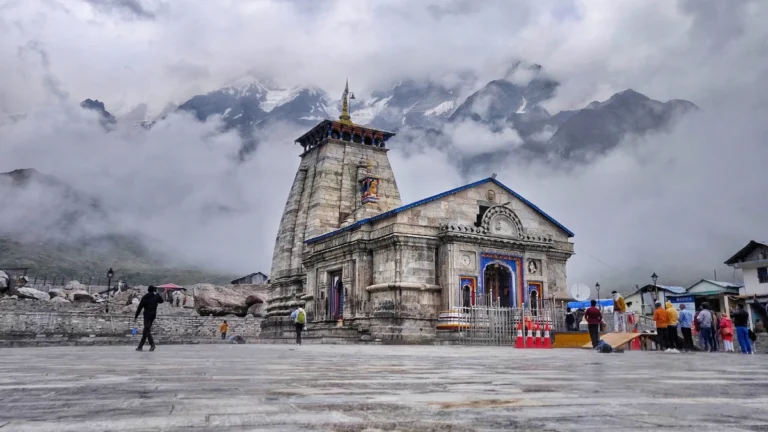
Planning a Do Dham Yatra in 2026? Great — timing makes a huge difference. “Do Dham” generally means visiting any two of Uttarakhand’s sacred Dhams, though most pilgrims choose the classic pairings: Kedarnath–Badrinath or Gangotri–Yamunotri. Below you’ll find a practical, day-by-day–friendly guide to the best windows to start your yatra in 2026, the reasons behind those windows, and smart planning tips so weather, temple openings, and logistics work in your favor.
Which “Do Dham” are you doing?
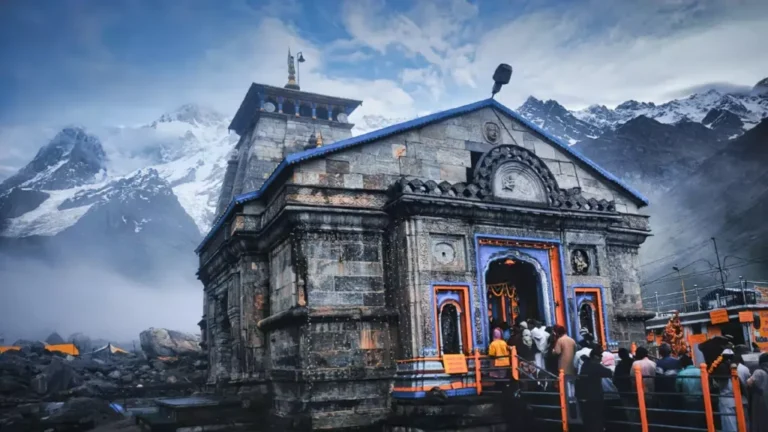
- Kedarnath – usually paired with Badrinath for the high-shiva / high-vishnu loop. Kedarnath is high-altitude and remote.
- Badrinath – accessible by road (Joshimath → Badrinath) and lower-altitude than Kedarnath but still alpine.
- Gangotri – usually paired with Yamunotri for the river–sources circuit. Gangotri sits in the high Himalaya and has a shorter open season.
- Yamunotri – source of the Yamuna, a cold glacier shrine with a short, weather-dependent season.
(You’ll also travel through or start from hubs like Haridwar or Rishikesh — use those towns to acclimatize and finish logistics.)
Key calendar facts for 2026 (why dates matter)
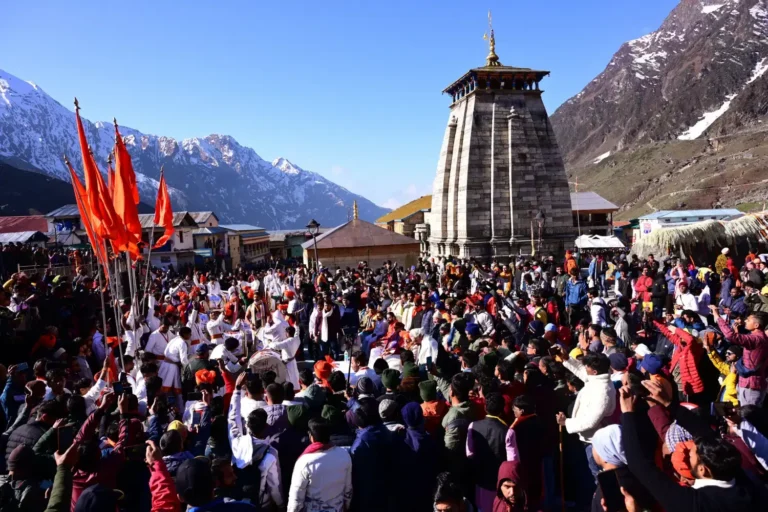
Temple opening/closing dates determine when a Himalayan dham is actually accessible. For 2026 the official announcements set the main Char Dham re-openings in mid- to late-April: Gangotri and Yamunotri were scheduled to reopen on April 19, Kedarnath on April 22, and Badrinath on April 23. These dates mark when roads/temple operations typically resume after winter closures. Plan using those dates as anchors.
Best windows to start your Do Dham Yatra in 2026 (practical recommendations)
1) Ideal window — Late April (after openings) → Mid/late June (pre-monsoon)
Start: any time after the temple(s) you plan to visit reopen — realistically late April or, better, May → mid-June. Why: spring → early summer brings the most stable weather, clear mountain views, mostly open high roads and trekking approaches, and all services (lodging, guides, heli ops) are operating. If your Do Dham includes Kedarnath or Badrinath, aim for May as the sweet spot — roads are clear, temperatures are milder, and you avoid the heavy monsoon rains that start in July.
2) Secondary window — Late September → Mid-October (post-monsoon/autumn)
If you miss late spring, the post-monsoon autumn window — roughly late September through October — offers clear skies after the rains and stable weather before winter sets in. The tradeoff: it’s a shorter season (temples begin planning closure around Diwali), and unpredictable early snowfall can affect higher passes. This is a calm, less-crowded option for pilgrims who prefer cooler weather and crisp mountain views.
3) What to avoid
- July–August (monsoon): heavy rainfall, landslides, washed-out roads and suspended helicopter services — not a recommended time for Do Dham. Helicopter ops especially may be curtailed.
- November–March (winter): high passes and many dhams are closed due to heavy snow and subzero conditions.
Choosing your start date depending on the pair
Kedarnath + Badrinath (the classic “Do Dham” loop)
Start mid-May to early June if you want comfortable trekking and fewer crowds. Kedarnath’s high altitude and remote approach means you want the maximum buffer between opening day and your trek/heli flight to allow roads/trails to settle and services to be fully operational. Badrinath generally reopens a day or two after Kedarnath in 2026, so plan the loop accordingly.
Gangotri + Yamunotri (river-source circuit)
Start late April → May for the best chance of clear approaches; both Gangotri and Yamunotri open around April 19 in 2026, so a late-April departure can work if you like early-season pilgrimages and can tolerate colder nights. September–October is the alternate option after monsoon.
Practical planning tips (so your chosen start date isn’t sabotaged by logistics)
- Book flexible transport & buffer days. Mountain weather causes delays — add 1–2 buffer days to your itinerary for landslides, road repairs, or last-minute temple rituals. If you fly into Dehradun (Jolly Grant) or Delhi, plan extra time to reach Haridwar/Rishikesh and then the hill roadhead. (Many trusted packages start in Haridwar.)
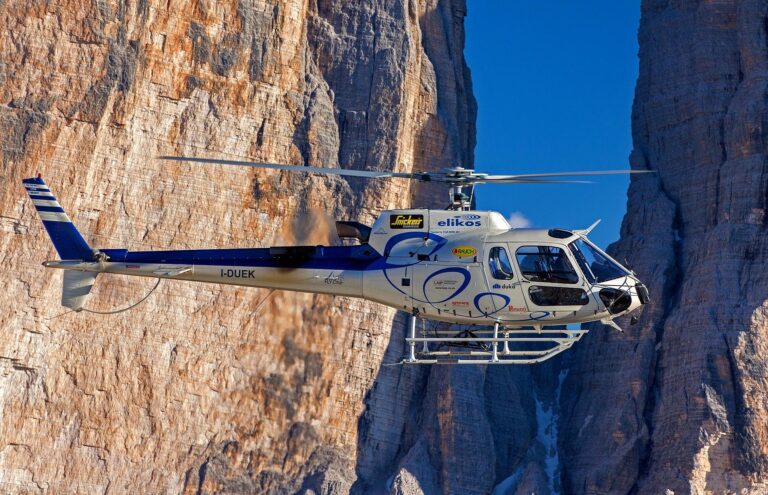
- Helicopter slots and permits. If you plan to use helicopter services (common for Kedarnath in particular), book slots early — peak season (May–June) fills up fast. During monsoon months helicopters may be restricted or halted altogether.
- Health & acclimatization. High-altitude sites: Kedarnath ≈ 3,584 m; Badrinath ≈ 3,100–3,300 m; Gangotri and Yamunotri ~3,100–3,300 m — allow time to acclimatize and carry medication for AMS symptoms. Move slowly, hydrate, and avoid heavy exertion on day one at altitude.
- What to pack for your start date. Even in May, nights can be cold at shrine altitudes. Pack layered warm clothing, sturdy waterproof boots (monsoon risk in late June), rain jacket, sunscreen, reusable water bottle, and basic first aid. For early-season (late April) be prepared for snow patches and icy trails.
- Local conditions & environment. The Himalaya are ecologically fragile; 2020s studies and local authorities emphasize climate impacts and rapid glacier retreat—expect changing river flows and occasional GLOF/landslide alerts; respect local signage and official advisories. Travel responsibly: avoid plastic litter, use local services, and follow temple & forest rules.
- Temple dates & rituals. Special festivals, pratishtha or opening rituals can change timings slightly; check temple committees’ official pages or Uttarakhand govt updates before finalizing the start date. The formal opening (kapats) usually coincides with auspicious days (e.g., Akshaya Tritiya) and is published ahead of the season.
Sample start-date plans (quick picks)
- If you want sunny, mild trekking & full services: Start between May 5–20, 2026.
- If you prefer fewer crowds and autumn colors: Start between Sept 25 – Oct 10, 2026.
- If you must travel right at season open: Start late April only if you accept colder nights, possible snow on approaches, and potential early-season service kinks.
Final checklist before you pick your start date
- Confirm the exact 2026 temple open/close notifications for the specific dhams you plan to visit.
- Book transport, hotels and helicopter slots (if used) with cancellation/flex options for weather delays.
- Carry identity documents, cash (many hill vendors are cash-first), and the right clothing for alpine nights.
- Add 1–2 buffer days to your schedule for reroutes or trail/road delays.
- Check current weather and local advisories the week before you leave (mountain forecasts change fast).
In short
For most travelers in 2026 the best time to start a Do Dham Yatra is from early May through mid-June, with a second, smaller window in late September–October. Start after the official temple reopenings (April 19–23, 2026 were the key 2026 dates), give yourself acclimatization time, book helicopter and lodgings early for peak-season May–June, and avoid the monsoon months when roads and services can be disrupted. With the right timing and a buffer for mountain unpredictability, your Do Dham Yatra can be spiritually fulfilling and logistically smooth.