The Char Dham — Yamunotri, Gangotri, Kedarnath and Badrinath — is one of India’s most soul-stirring pilgrimages. But those sacred shrines sit high in the Garhwal Himalaya (all above ~3,000 m), where thinner air and colder conditions can quickly turn a spiritual trip into a medical emergency if you’re not prepared. This guide gives you practical, evidence-based steps to reduce your risk of altitude sickness, recognize it early, and respond safely — so you can focus on the journey, not on struggling to breathe.
Quick snapshot: why altitude matters
As elevation rises, barometric pressure falls so there’s less oxygen available with every breath. Your body needs time to adjust — “acclimatize” — to that lower oxygen. Going too high too fast increases the risk of acute mountain sickness (AMS), and in rare cases leads to life-threatening high-altitude pulmonary edema (HAPE) or high-altitude cerebral edema (HACE). The practical takeaway: ascend slowly, watch for symptoms, and know when to descend.
What heights are we talking about on Chardham?
Rough elevations for the four shrines are commonly reported as:
- Yamunotri — around 3,200–3,300 m.
- Gangotri — around 3,200 m.
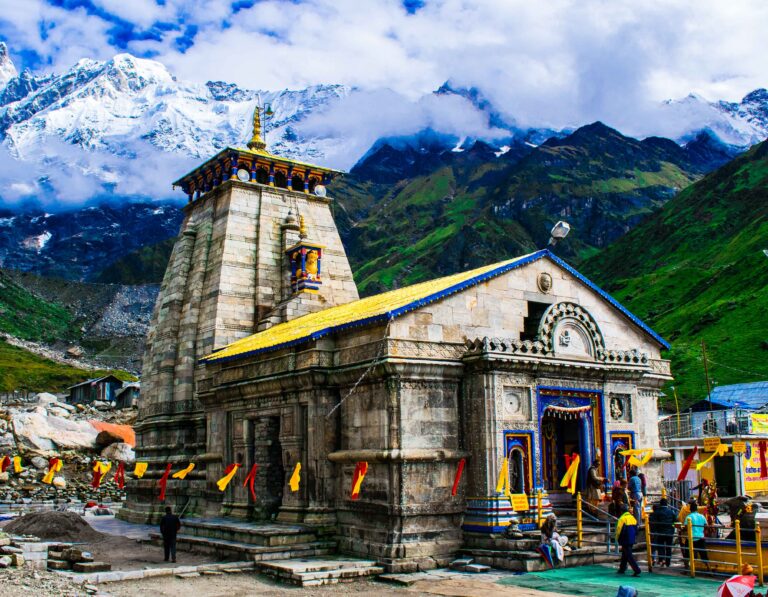
- Kedarnath — about 3,500–3,600 m.
- Badrinath — about 3,133 m.
Because these sleeping altitudes are above ~3,000 m, plan your itinerary and rest days with acclimatization in mind.
Know the symptoms (early recognition saves lives)
Mild AMS often begins within 6–24 hours of ascent and includes:
- Headache (often the earliest sign)
- Nausea, loss of appetite
- Fatigue or weakness, dizziness
- Difficulty sleeping, rapid breathing
If symptoms progress, watch for:
- Shortness of breath at rest, cough, chest tightness (warning signs for HAPE)
- Severe headache, confusion, unsteady walk, behavior changes (warning signs for HACE)
If you or any companion show severe symptoms, descent is the single most effective immediate treatment. Supplemental oxygen and urgent evacuation/medical care are crucial for HAPE or HACE.
Smart planning: the single best prevention is gradual ascent
- Sleep low, go high: If your route climbs, try to sleep at a lower altitude than your highest daytime height (the classic “climb high, sleep low” rule).
- Limit how much you gain while sleeping: once above 3,000 m, aim for sleeping-altitude increases of no more than ~500 m (1,600 ft) per day and build an extra rest day for every ~1,000 m you gain. Plan at least one acclimatization day when you reach high valleys.
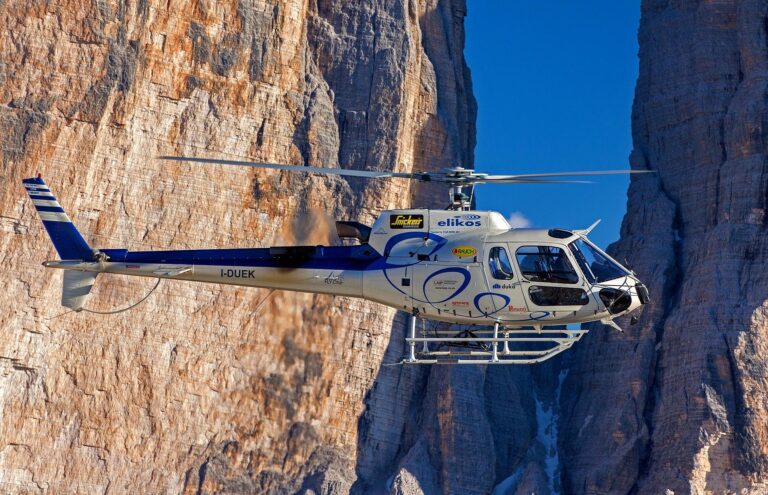
- Don’t rush: helicopter trips or direct rapid drives to high towns reduce travel time but remove natural acclimatization — that raises your risk unless you take preventive measures (below).
Medication — what helps and what to discuss with your doctor
- Acetazolamide (Diamox) can speed acclimatization and reduce AMS symptoms. A common preventive regimen recommended by travel health authorities is 125 mg twice daily, starting 24 hours before ascent and continuing for at least 48 hours after reaching the highest altitude. However, acetazolamide is a prescription drug with side effects and contraindications (allergies, certain sulfa drug sensitivities, pregnancy, kidney disease, etc.), so talk to your doctor before use.
- Dexamethasone and nifedipine are drugs used to treat more serious altitude illnesses, but they are not substitutes for descent; they should only be used under medical advice and often by experienced providers.
Important: never self-prescribe high-altitude medication without medical advice. A physician will assess whether preventive meds are appropriate, and will provide dosing and safety guidance.
Everyday choices that help
- Hydrate: Drink regularly (but don’t overdo fluids). Dehydration worsens headaches and fatigue.
- Eat light, carbohydrate-rich meals: Carbs require less oxygen to metabolize and help maintain energy.
- Avoid alcohol and sedatives for the first 48 hours at altitude — they worsen breathing and sleep quality.
- Pace yourself physically: Avoid heavy exertion in the first 24–48 hours at new high altitudes. Short, easy walks are better than long uphill treks when you’ve just arrived.
- Layer clothing and prepare for cold: Hypothermia and exhaustion make acclimatization harder.
Practical itinerary tips for Chardham
- Build at least one rest/acclimatization day into your plan at mid-altitude towns (e.g., Joshimath or Uttarkashi depending on route).
- If you must use helicopters or fly into a high town, factor in preventive medication and an extra full day of rest on arrival. Rapid ascent by air raises AMS risk because you skip the gradual gain that would otherwise stimulate acclimatization.
- Travel insurance and local emergency contacts: choose a policy covering emergency evacuation and high-altitude rescue. Know the nearest hospital/medical camp locations (the Uttarakhand government and yatra organizers often operate field medical units during the season). Recent reports show health systems are mobilized for large pilgrim numbers, but individual preparedness is essential.
What to pack in your “altitude first-aid kit”
- Prescription medications your doctor recommends (e.g., acetazolamide if approved)
- Portable pulse oximeter (helps monitor oxygen saturation trends; a falling trend with symptoms is concerning)
- Quick-acting pain relievers (paracetamol/acetaminophen for headache)
- Oral rehydration salts, electrolyte tablets
- Portable oxygen canister or oxygen concentrator? (Useful if available, but ensure you know how to use it; many medical camps and hotels in high pilgrimage zones also keep oxygen)
- Warm layers, sun protection (UV is stronger at altitude), lip balm
When to stop, descend, and get help
Mild AMS often improves with rest and does not require descent. But descend immediately if:
- Symptoms worsen rather than improve after 24 hours of rest and simple measures.
- Any signs of HAPE (severe breathlessness, persistent cough with pink frothy sputum, extreme weakness) or HACE (severe headache, confusion, difficulty walking, personality change).
Immediate descent to a lower altitude is the most effective treatment. If descent isn’t possible quickly, give supplemental oxygen and request urgent evacuation.
Fitness, pre-trip training and screening
- General cardiovascular fitness helps tolerance to exertion at altitude, but fitness does not make you immune to AMS. Even very fit travelers can get severe altitude illness if ascent is rapid.
- Anyone with heart disease, uncontrolled hypertension, severe asthma, chronic lung disease, or other major medical problems should consult their physician and consider pre-trip screening. The Chardham routes are physically demanding at times, and underlying conditions can decompensate at altitude.
Final checklist & quick tips
- Plan a conservative itinerary with rest days; avoid gaining more than ~500 m sleeping altitude once over 3,000 m.
- Talk with a travel-medicine doctor about acetazolamide or other medications if you’ll ascend rapidly or have prior AMS.
- Hydrate, eat carbs, avoid alcohol and sedatives, and don’t overexert in the first 48 hours.
- Carry a pulse oximeter and a simple first-aid kit; know evacuation options and emergency numbers.
- If severe symptoms appear — descend immediately and get medical help. HAPE and HACE are life-threatening but treatable with descent, oxygen, and professional care.
Your Chardham Yatra can be a deeply moving and beautiful experience — with a little planning, respect for altitude, and sensible precautions you’ll greatly reduce the chance that altitude sickness ruins the trip. If you want, I can help convert this into a one-page printable checklist, suggest an acclimatization-friendly 8–10 day sample itinerary for the common road route, or draft questions to bring to your doctor about acetazolamide and evacuation insurance. Which would help you most?