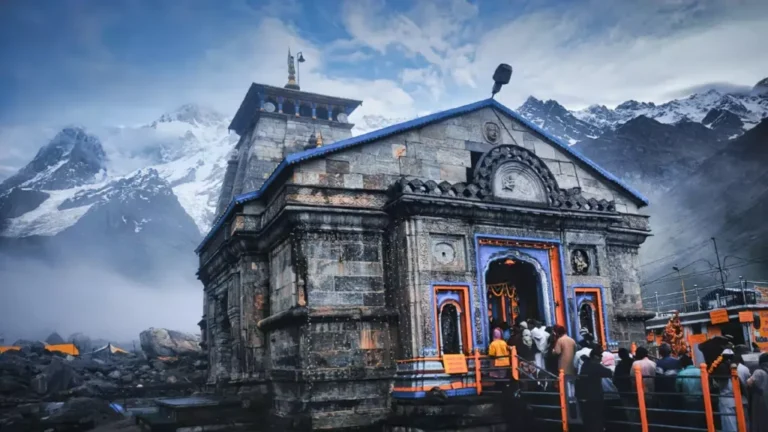
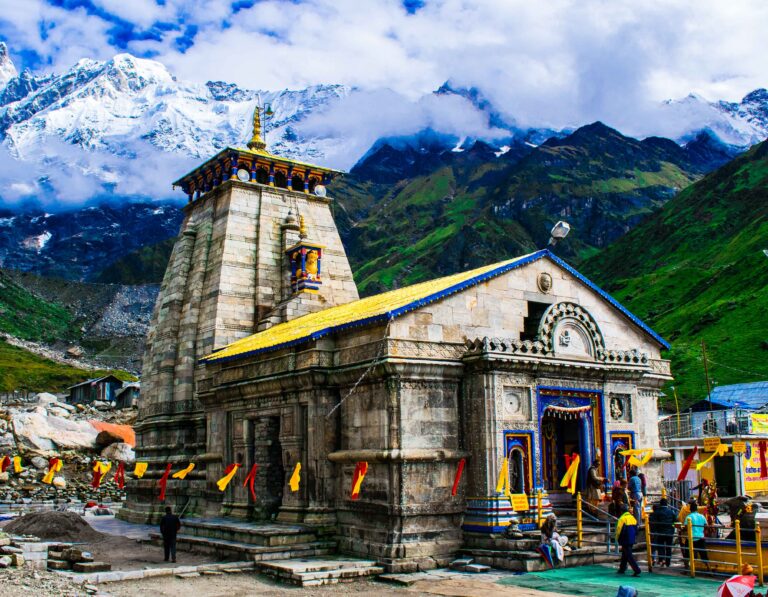
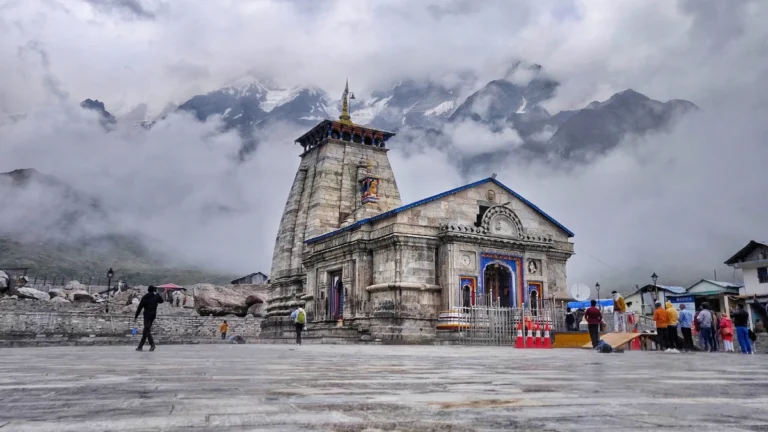
The Kedarnath Yatra is one of India’s most soul-stirring pilgrimages — a high-altitude trek through Himalayan scenery that rewards you with the ancient temple, sweeping mountain views and a strong sense of accomplishment. Proper packing isn’t just about comfort; it’s about safety. Below is a detailed, practical packing guide arranged by category so you can prepare confidently for the Gaurikund → Kedarnath trail.
Quick factual snapshot (why the packing matters): the common trek route from Gaurikund to Kedarnath covers roughly 16 km one-way and takes you from the valley up to around 3,500–3,600 m — a gain that makes layers, good footwear and altitude precautions essential.
When to go & weather — pack for changeable conditions
Kedarnath normally opens for the pilgrimage season in late April/May and closes for winter; the active season and month-by-month weather differ (clear windows in May–June, heavy rains during monsoon, cool and crisp in Sept–Oct). Expect big temperature swings: warm sunshine in low-elevation stretches and near-freezing winds at the temple in pre/post-monsoon months. Plan layers, waterproofs, and sun protection.
Documents, bookings & tech essentials
- ID & registration printouts: Carry government ID (Aadhaar / passport / driving licence) and a printout or screenshot of any e-pass/biometric registration; officials sometimes check during the yatra.
- Cash + cards: Small shops along the trail may not accept cards; carry small denominations.
- Phone, power bank(s): Charging spots are available in some lodges but not guaranteed on the trail; bring a high-capacity power bank (20,000 mAh recommended).
- Offline maps & emergency contacts: Save local helpline numbers, the temple committee number and your travel agent/guide contacts offline.
- Headlamp / flashlight: Useful for early-morning treks or power cuts; pack spare batteries or chargeables.
Clothing: the layering system (most important)
Follow the “base–mid–outer” layering method so you can strip or add clothes as conditions change.
- Base layer (next-to-skin):
- Moisture-wicking thermal top and bottom (polypropylene / merino / synthetic) — 1–2 sets.
- Mid layer (insulation):
- Lightweight fleece or wool sweater.
- Insulating down or synthetic jacket for mornings/evenings at the temple.
- Outer layer (protection):
- Waterproof breathable shell (hooded rain jacket) — must be packable.
- Lightweight waterproof over-trousers are useful during the monsoon or drizzle.
- Extras:
- Quick-dry trekking pants + one comfortable set for lodges.
- Warm hat / beanie, neck gaiter or buff, and a sun hat.
- Gloves: thin liner gloves plus an insulating pair; consider waterproof gloves if visiting in shoulder season.
- Socks: 3–4 pairs of wool or synthetic trekking socks; carry one pair of camp socks.
- Sunglasses with UV protection — glare from snow/rock is strong.
Footwear & footcare
- Sturdy trekking shoes or boots with ankle support and good tread — broken-in before the trip.
- Light camp shoes / sandals for evenings in guesthouses.
- Blister kit: moleskin, adhesive bandages, and friction-reducing tape.
- Gaiters (optional) if you expect mud or snow on the trail.
Trekking gear & accessories
- Daypack (20–30 L) with a rain cover — carry water, snacks, first-aid and layers.
- Walking pole(s): Adjustable poles reduce knee strain on steep sections.
- Hydration system: Reusable water bottle or hydration bladder; consider water purification tablets/filters if you’ll re-fill.
- Trekking map / guidebook / permit copies.
- Lightweight travel towel, quick-dry.
Health & safety (non-negotiable)
Altitude and remote conditions are the real risks. Carrying the right items and being conservative with exertion is essential.
- First-aid kit: Bandages, antiseptic, painkillers (paracetamol/ibuprofen), blister treatment, antiseptic wipes, tape, scissors, antihistamine, anti-diarrheal medication.
- Altitude sickness kit: Acetazolamide (Diamox) if prescribed, or consult your doctor for prophylaxis; know AMS symptoms (headache, nausea, breathlessness). Start slow; hydrate and rest if symptoms appear.
- Prescription medicines: Carry an adequate supply and a copy of prescriptions.
- Oral rehydration salts (ORS) and electrolyte sachets to prevent dehydration.
- Hand sanitizer & mosquito repellent.
Toiletries & hygiene
- Toothbrush, toothpaste, biodegradable soap, small quick-dry towel, toilet paper (carry sealed), sanitary supplies (if applicable).
- Wet-wipes are lifesavers when water is limited.
- Sunscreen (SPF 50+) and lip balm with SPF.
Food & snacks
- High-energy, non-perishable snacks: dry fruits, nuts, energy bars, chocolate, glucose/ electrolyte bars.
- Electrolyte powders to sip during/after the trek.
- Local tea/food stalls are available, but carrying your preferred snacks keeps energy steady.
Sleeping & overnight gear (if camping or staying in basic guesthouses)
- Lightweight sleeping bag rated to near-freezing (depending on season). Many guesthouses provide blankets, but bringing your own sleeping liner is hygienic and warm.
- Inflatable sleeping mat if camping or staying in unheated accommodations.
Cash, security & miscellaneous
- Small padlock for luggage.
- Zip-lock bags / dry bags to protect electronics and documents from rain.
- Reusable shopping bag for rubbish — follow Leave No Trace principles.
- Copies of important documents kept separately from originals.
Extras that make the trek easier
- Walking stick (local wooden sticks are sold along the trail but a good quality pole is preferable).
- Camera with spare batteries or extra memory cards.
- Portable washing line / small clothesline for drying socks.
- Lightweight binoculars for distant peaks and wildlife.
Packing strategy & weight considerations
- Aim for a total carried weight (daypack) of ~6–8 kg if you’re doing the trek yourself; if hiring porters/palki/mule services, heavier luggage can be transported. Keep essentials (documents, meds, warm layers, water, snacks, headlamp) in your daypack.
- Use compression sacks to reduce volume of bulky items (sleeping bag / jacket).
- Keep frequently used items in quick-to-reach pockets.
Behavioural tips & safety reminders
- Acclimatize: Walk conservatively, drink often, avoid alcohol, and don’t push on if you feel breathless or have a headache.
- Check local rules: Biometric registration and e-pass protocols have been enforced in recent seasons — keep confirmations accessible.
- Respect local customs and environment: Carry trash down with you; do not disturb wildlife or vegetation.
- Plan for delays: Weather, road blocks or small health issues can slow you — keep a buffer day in your itinerary.
Two packing checklists (concise)
Absolute essentials (carry in daypack)
- ID & registration printouts, cash, phone & power bank, headlamp, water bottle, rain jacket, insulated jacket, thermal base layer, trekking shoes, socks, small first-aid, blister kit, sun protection, snacks.
Helpful extras (pack in main luggage)
- Sleeping bag, hiking poles, gaiters, spare shoes, toiletries, spare batteries, sleeping mat, binoculars, extra thermal layers.
Final words
Pack with purpose: prioritize safety and warmth over style. The trail to Kedarnath is physically demanding and weather can change quickly — the right layering system, a good first-aid and altitude-aware mindset will keep the experience joyful. If you’re unsure about medicines or altitude medication, consult a physician before travel. With sensible packing you’ll be free to focus on the views, the chanting, and the quiet power of the Himalaya.