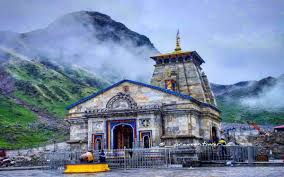
A compact but doable five-day plan for visiting the high-Himalayan shrines of Kedarnath and Badrinath needs realistic travel segments, an awareness of altitude changes, and a backup plan (helicopter or extra rest) in case of slow progress. Below is a practical day-by-day itinerary, followed by essential tips, packing and health advice so your pilgrimage is safe, smooth and spiritually rewarding.
Key places (quick reference)
- Haridwar — common start point for the yatra.
- Gaurikund — trailhead for the Kedarnath trek.
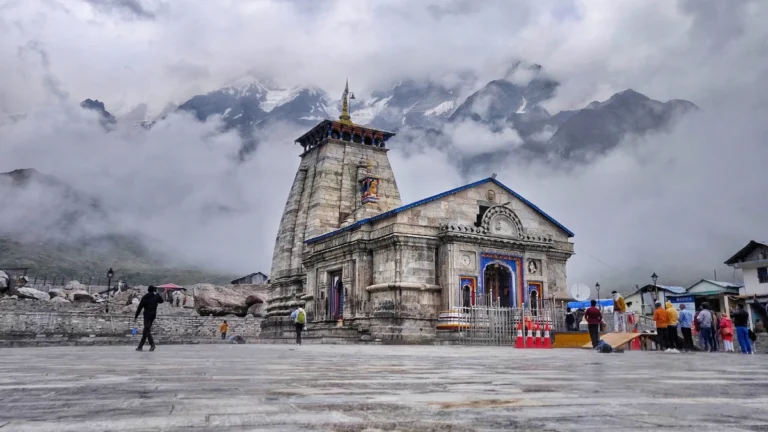
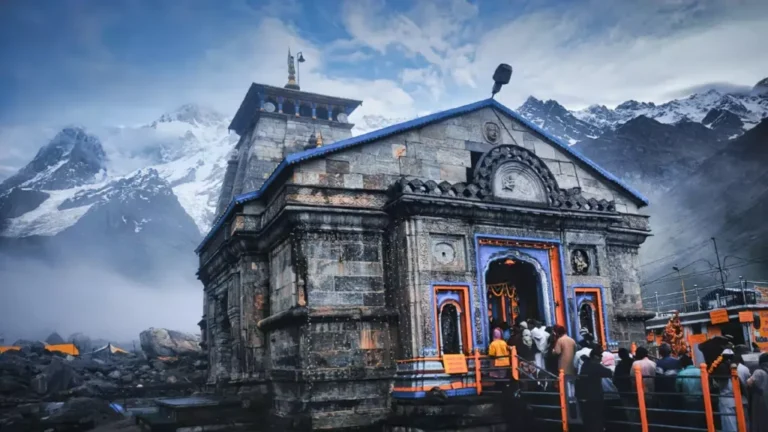
- Kedarnath Temple — Shiva jyotirlinga high in the Garhwal Himalaya.
- Sonprayag — overnight stop on many packages.
- Guptkashi — alternate night halt near the Kedarnath route.
- Joshimath — gateway for the Badrinath approach.
- Badrinath Temple — Vishnu’s shrine beside the Alaknanda river.
- Mana Village — the last Indian hamlet near Badrinath.
Day 1 — Arrival and road journey to the foothills
Start early from Haridwar (or Rishikesh / Dehradun if that’s easier). The road trip to the Sonprayag / Guptkashi area takes most of the day (6–10 hours depending on traffic and your exact start point). Check into a guesthouse or hotel and rest early — you’ll need energy for the next day’s ascent.
What you’ll accomplish today:
- Vehicle transfers and permits checked (if required).
- Final equipment/medical checks; hydrate well.
(If you’re short on time or travelling with elderly pilgrims, consider starting from a nearer town or arranging a private car to cut transfer time.)
Day 2 — Gaurikund → Kedarnath (trek or helicopter) — overnight near Sonprayag/Guptkashi
Begin before dawn and drive to Gaurikund, the trailhead. From here you have two practical options:
- Trek (traditional) — The trek to Kedarnath Temple is now about 16–18 km along a well-marked mountain trail and typically takes 6–8 hours depending on fitness and stops. Plan for steady pace, frequent short rests, and a lunch stop en route.
- Helicopter (time-saving, weather-dependent) — Helicopters land near the temple during the yatra season; this reduces physical strain and saves time but must be booked in advance and can be cancelled if weather deteriorates.
Once you reach the shrine:
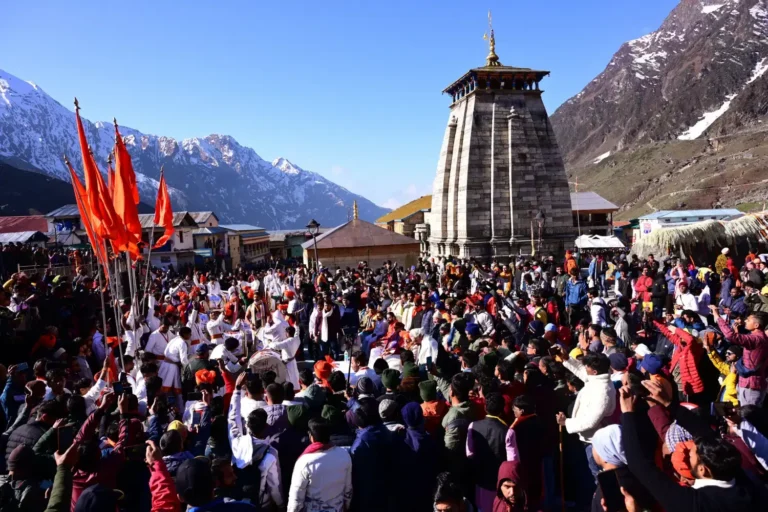
- Perform darshan, participate in aarti if timing allows, and spend a little time absorbing the mountain silence.
- Descend (or fly) back to Gaurikund/nearest roadhead and drive to your overnight stop at Sonprayag / Guptkashi. Expect this to be a long, tiring day — pace yourself.
Practical note: The Kedarnath temple opens seasonally (winter closure applies) and dates are announced before the pilgrimage season—confirm the opening date and local arrangements with the temple committee or official tourism site before travel.
Day 3 — Transfer across the highlands toward Badrinath (road day)
After early breakfast, begin a long scenic drive from the Kedarnath-side foothills toward Joshimath/Badrinath area. Typical route follows Rudraprayag → Karnaprayag → Nandaprayag → Chamoli → Joshimath; allow 8–12 hours for road travel (road/traffic conditions vary widely).
What to expect:
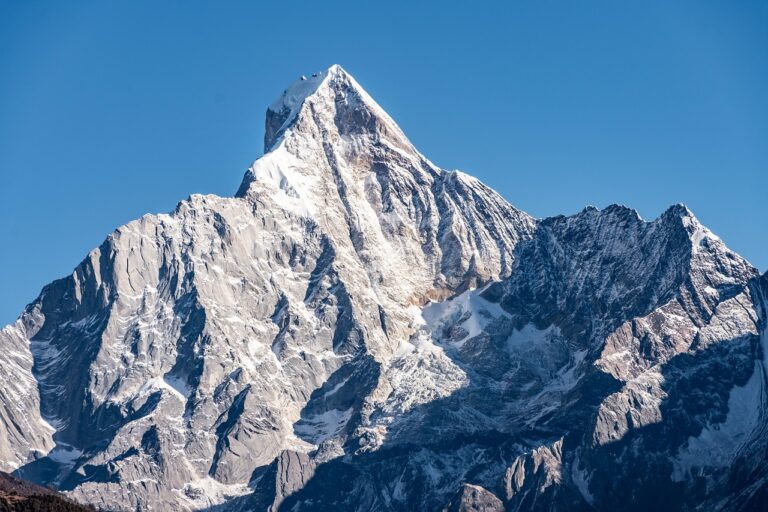
- Dramatic river valleys, mountain passes and a steady gain in altitude as you approach the Joshimath–Badrinath region.
- An overnight stay in Joshimath or Badrinath (if you prefer, reach Badrinath and rest for the next day’s temple visit).
Tip: If you are feeling fatigued after the Kedarnath day, don’t push to do Badrinath darshan the same evening — rest and acclimatize. The change in altitude and continuous travel can cause exhaustion.
Day 4 — Darshan at Badrinath and visit to Mana
Plan an early morning visit to the Badrinath Temple to take part in morning rituals and secure a peaceful darshan. The temple sits at about 3,100 m and provides splendid mountain panoramas. After darshan:
- Walk or take a short drive to Mana Village — the last inhabited village before the Tibetan plateau. Mana is close by and is rich in local lore (e.g., Vyas Gufa, Bhim Pul).
Spend the afternoon:
- Exploring the local temples and small museums, shopping for local woolens and souvenirs, and attending any special bhajans/pujas if available.
If you still have energy, consider a short visit to the nearby hot springs (if open) for soothing tired muscles. Overnight in Badrinath / Joshimath.
Day 5 — Return leg to Haridwar / onward travel
Begin your return journey toward Haridwar (or your onward destination). The drive will take most of the day. Plan stops at scenic confluences (e.g., Devprayag where rivers meet) and allow extra time for road delays.
If you have a flight or train to catch from Dehradun/Haridwar, leave with ample buffer and reconfirm transfers.
Practical tips, permits, and contingency planning
- Best time to go: The pilgrimage season generally runs from late April/May to early November (temple opening/closing dates announced annually). Confirm exact dates before booking.
- Altitude & acclimatization: Kedarnath (~3,583 m) and Badrinath (~3,100 m) sit at high altitudes — drink plenty of water, avoid alcohol, and take it slow. If you suffer from breathlessness or severe headaches, descend immediately.
- Helicopter vs trek: Helicopter saves time and is easier for elders, but is weather-dependent and can be expensive. The trek is physically demanding but spiritually rewarding and scenic. Book helicopters through official counters or trusted operators.
- Bookings & permits: Book hotels, helicopter seats (if needed), and transfers in advance during peak season. Check the official temple committee site for updates and alerts.
- Health & safety: Carry a basic first-aid kit, altitude sickness medication (consult your doctor), blister plasters, and warm layers. Wear sturdy trekking shoes for the Kedarnath trail.
- Money & connectivity: ATMs are scarce in high-altitude villages — carry sufficient cash. Mobile networks can be patchy; BSNL/Jio often have better coverage in parts of the trail.
- Local customs: Dress modestly, follow temple rules (no leather, mobile silence where asked), and respect local monastic traditions.
Quick packing checklist
- Warm layers (insulating jacket, thermal wear)
- Rainproof shell and quick-dry clothes
- Sturdy trekking shoes and comfortable socks
- Personal medications + basic first-aid kit
- Sunscreen, sunglasses and a hat (strong UV at altitude)
- Power bank, torch/headlamp, water bottle, high-energy snacks
- ID proof (required for permits/hotel check-in) and cash
Final notes
A five-day Kedarnath–Badrinath yatra is compact and requires disciplined timing, good road/helipad coordination and a willingness to adapt if weather or health slows the group. If you prefer a more relaxed pace, add 1–2 days for better acclimatization and sightseeing (e.g., allow a full day at Badrinath or include a short visit to nearby spiritual spots). For official updates, temple timings and announcements, always check the temple committee and Uttarakhand tourism channels before you travel.