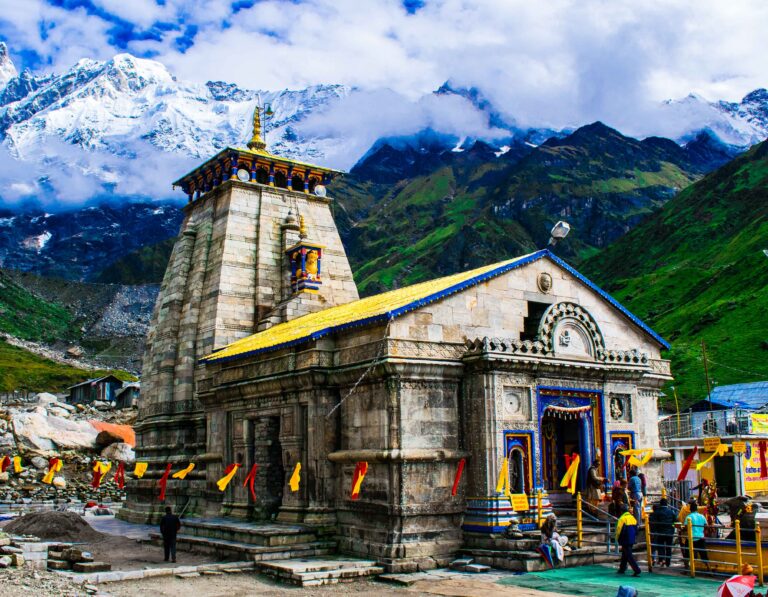
Kedarnath — perched at about 3,583 m (11,755 ft) in the Garhwal Himalaya — is one of India’s most sacred and dramatic pilgrimages. The trek from Gaurikund to Kedarnath is roughly 16–18 km on a paved but steep mountain trail that can take 6–10 hours depending on your pace, acclimatisation and stops. Because the shrine sits at high altitude and the Himalayan weather is volatile, picking the right time to go is the single most important decision for comfort, safety and worship.
What “seasonal” means for Kedarnath in 2026
Kedarnath is a seasonal destination. The temple and most trek services open in spring and close before full winter because heavy snowfall makes access impossible for months. For 2026, local temple noticeboards and pilgrimage sites point to the official opening and closing dates being announced by the temple authorities (BKTC) around Maha Shivratri, and several travel sources list the 2026 opening around late April and closing in November (example listings show an opening on 22 April 2026 and closing on 11 November 2026) — but the exact official times are released each year by the BKTC, so always double-check the committee’s final announcement before booking.
Bottom line: Plan your trek between late April/May through mid-November, with the clearest, safest windows in May–mid June and mid-September–October.
Two best windows — what each feels like
1) Late April / May → Mid June (Early season / pre-monsoon)
Why go: trails clear of winter snow, daytime weather is pleasant, high mountain views are crisp, and the temple opens for the pilgrimage season. This window often has stable, dry days ideal for trekking and photography. Temperatures: daytime typically range from 5°C to 15°C near Kedarnath in these months, but nights and early mornings remain cold; wind chill can be significant at the shrine.
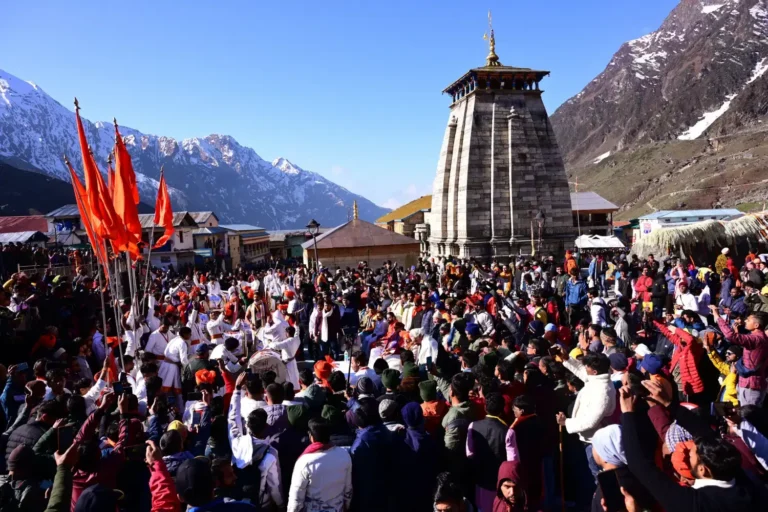
What to expect: crowds pick up after the temple opening; services (tea houses, ponies, porters, medical aid) become fully available. The trail can be busy on weekends and festival days. If you prefer fewer people, aim for weekdays or the very start of the season.
2) Mid September → October (Post-monsoon / autumn)
Why go: monsoon has retreated, the skies clear, daytime temperatures are comfortable and the views of surrounding peaks are spectacular. Autumn is often the most photogenic season — bright days, crisp nights, and fewer mosquitoes and clouds compared to monsoon months.
What to expect: the trail is generally stable after rains, though occasional early winter storms can bring snowfall in October at higher elevations. Accommodation and services remain available until the temple closes in late autumn.
Months to avoid (or approach with caution)
Monsoon (July–August)
Monsoon brings heavy rains, slippery trails and a higher risk of landslides and road closures, which can strand pilgrims or delay travel. Helicopter and road operations may be suspended on bad weather days. If you must go during shoulder-monsoon periods, build buffer days into plans and be prepared for cancellations.
Deep winter (late November → March/April)
Kedarnath is closed for winter due to heavy snowfall and extremely harsh conditions; access is impossible and services are shut down. Attempts to go off-season are dangerous and not recommended.
Weather & altitude — practical implications
- Altitude: The shrine is at ~3,583 m — altitude sickness is a real possibility for people who ascend too quickly without acclimatisation. Plan a gradual approach and watch for symptoms (headache, nausea, dizziness).
- Temperatures: Day temperatures in the trekking season usually sit in the single to low double digits (about 5–18°C), while nights can drop near or below freezing at higher altitudes. Dress in layers and carry windproof/waterproof outerwear.
- Trail conditions: The paved path is steep, and sections can be exposed to wind, rain or snow. Snow patches persist into May in some years; winter-like conditions can arrive early in October some seasons.
Practical planning — itinerary + logistics (sample 4–5 day plan)
Day 0: Arrive Haridwar/Rishikesh/Dehradun → drive to Guptkashi or Sonprayag (overnight).
Day 1: Early morning drive to Gaurikund → start trek (16–18 km) → reach Kedarnath (darshan, stay in guesthouse/ropeway/helipad options as available).
Day 2: Morning prayers, explore area or nearby viewpoints → return trek to Gaurikund (or use helicopter on descent if booked).
Day 3: Drive back to Haridwar/Rishikesh.
Notes: some pilgrims break the trek into two days (overnight at Rambara/linchauli) to aid acclimatisation and reduce strain. Helicopter services (subject to weather and availability) can cut time but book early and confirm refunds/cancellation policies.
Safety & health checklist
- Acclimatise: Don’t rush from lowland to 3,500 m in a single day if you’re prone to altitude issues. Hydrate, eat light and rest if you feel off.
- Footwear: Sturdy trekking shoes with good grip; broken-in before the trek.
- Layers: Base layer + insulated mid layer + wind- and water-proof shell. Warm hat, gloves and thermal socks.
- Rain protection: Pack a waterproof jacket and rain cover for your pack — monsoon and surprise showers happen.
- Medical kit: Diamox (consult doctor) if you’re worried about AMS, basic first-aid, blister care, rehydration salts.
- Essentials: ID (required for many registration checkpoints), photocopies, permits if applicable, cash (limited ATMs), portable charger, sunscreen, sunglasses.
- Travel insurance: Choose a policy that covers high-altitude trekking and helicopter evacuations if possible.
Crowd, cost & booking tips
- Crowds: Peak pilgrimage on festival dates, weekends and during the first month after opening. To avoid large crowds, travel mid-week or in the later autumn window.
- Bookings: Hotel, pony, porter and helicopter bookings surge during peak windows. Book early once the BKTC announces opening dates. Also confirm refund/cancellation policies — mountain weather causes frequent schedule changes.
Environment & local considerations
- Trail etiquette: Follow marked trails, avoid littering, use disposal points, and carry a small bag for waste — mountain ecosystems are fragile.
- Local economy: The Kedarnath season is a major income source for local communities; supporting registered local guides, licensed porters and official guesthouses helps the region.
Quick decision guide — which month to pick?
- Choose May–early June if you want early season energy, fewer late-autumn storms and full-service facilities soon after opening.
- Choose mid-September–October for clearer skies, spectacular visibility and often lower humidity after monsoon.
- Avoid July–August unless you accept weather disruptions and landslide risk; avoid late November–March entirely (temple closed).
Final checklist before you go
- Confirm official temple opening date and local road conditions through the BKTC or Uttarakhand tourism announcements.
- Book transport and accommodation after the opening date is publicly confirmed.
- Pack for wet weather + freezing nights even in summer.
- Schedule buffer days for weather delays, especially in the monsoon or shoulder seasons.
Closing note
Kedarnath rewards you with sublime mountain vistas, a highly spiritual atmosphere and a physically satisfying trek — but the Himalaya demand respect. For 2026, aim for the May–mid June or mid Sept–Oct windows for the best combination of safety, weather and scenery, and always confirm official opening dates and local advisories before final bookings. Safe trek — and Har Har Mahadev!