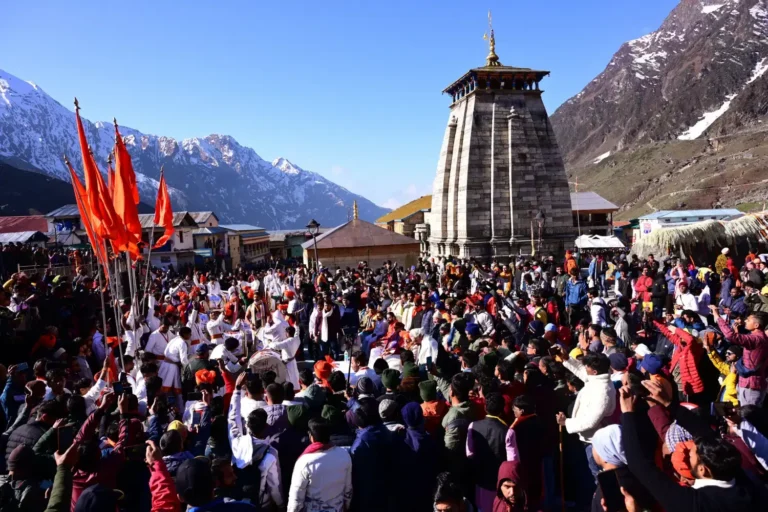
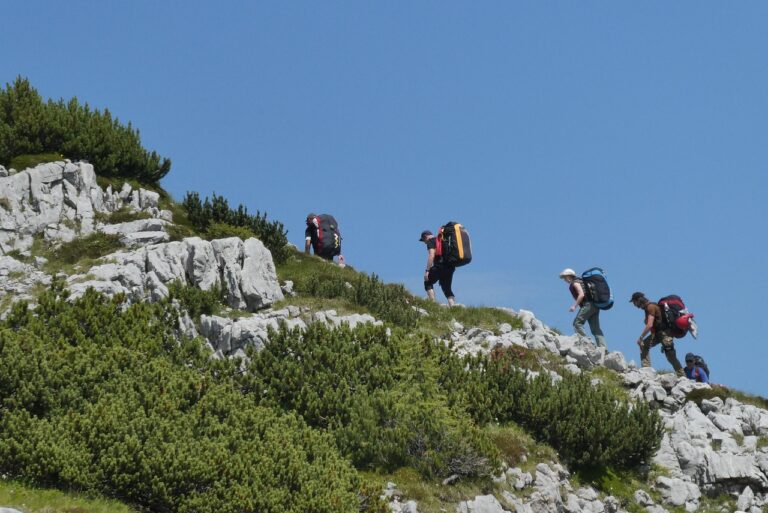
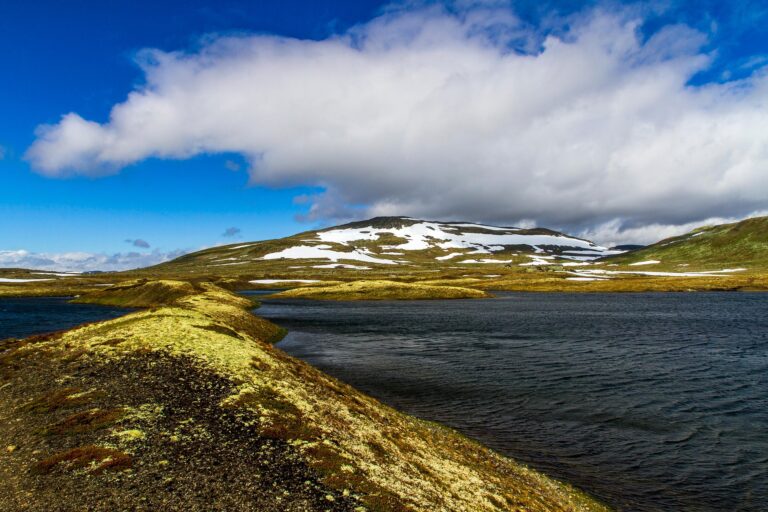
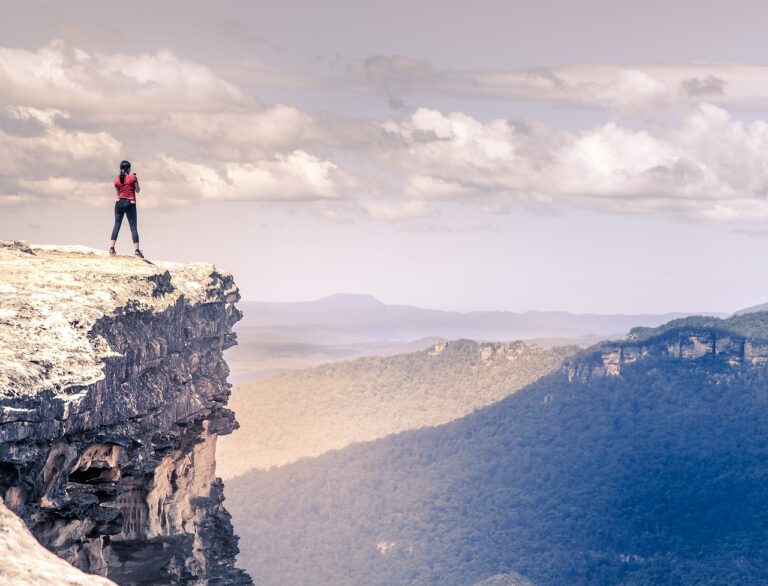
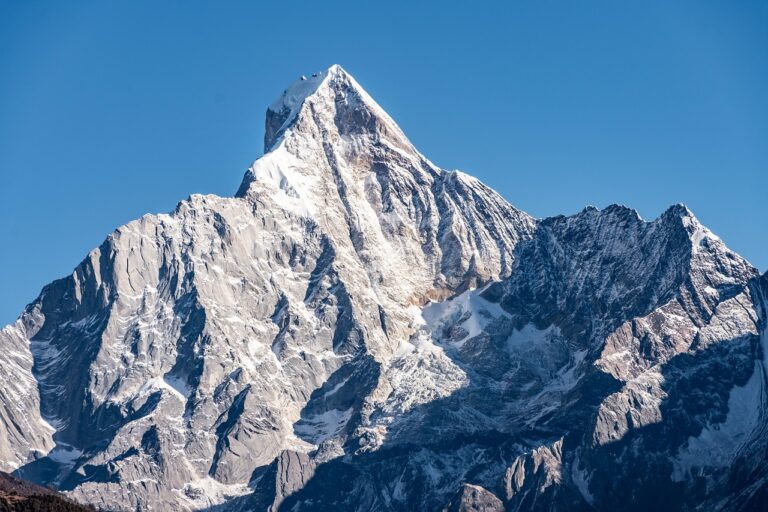
Kedarnath is one of India’s most sacred pilgrimage destinations — dramatic, remote, and deeply spiritual. If you’re planning your first Kedarnath yatra, congratulations: it’s a journey that tests the body and rewards the heart. Below is a practical, step-by-step guide with clear tips to help first-timers prepare, travel safely, and make the most of the experience.
Quick essentials you should know first
Kedarnath town sits high in the Garhwal Himalaya at roughly 3,583–3,584 meters (around 11,750–11,760 ft) above sea level, so altitude and weather are real factors to consider.
The motorable road ends at Gaurikund, and from there the usual trek to Kedarnath is about 16 km uphill (the route changed after the 2013 floods and is longer than older guides suggest). The trek typically takes 6–8 hours depending on fitness and conditions.
The pilgrimage season generally opens in late April or early May and closes for winter around October–November, though exact dates vary each year based on the Hindu calendar — check official announcements before you travel.
Helicopter services operate as a popular alternative for those who can’t or prefer not to trek; flights usually run from helipads such as Phata, Guptkashi, and Sirsi and must be booked through official channels (IRCTC/authorized operators). Availability depends on weather and regulatory conditions.
Before you go — planning & permits
- Choose your season carefully. The safest, most comfortable months are late spring to early autumn (May–June, and September after monsoon). Winters bring heavy snow and road/temple closures.
- Book early in peak season. Accommodation in Gaurikund, Sonprayag, Guptkashi and nearby hubs fills fast during Char Dham season. If you plan a helicopter, book through IRCTC or government-linked portals only.
- Register where required. Uttarakhand often requires Char Dham registration for pilgrims; check the official shrine board site for up-to-date instructions. Registered pilgrim lists and IDs may be needed for helicopter/permits.
- Choose the route that fits you. Most beginners opt for the Gaurikund → Kedarnath trek. Alternatives include partial chopper lifts to Kedarnath helipad (when operational) or hiring palanquins/ponies for sections (note: ethical and weight limits apply).
Fitness & health prep
Kedarnath is high-altitude trekking — you don’t need to be an athlete, but you should be in good basic shape.
- Train 4–6 weeks ahead: brisk walking, stair climbing, and 10–15 km hikes on uneven ground will help.
- Acclimatize: Spend a night at intermediate altitudes (e.g., Guptkashi or Sonprayag) before ascending. Don’t rush the climb.
- Know altitude sickness signs: headache, nausea, dizziness, shortness of breath, excessive fatigue. If symptoms appear, descend immediately. Carry Diamox (acetazolamide) only after consulting your doctor.
- Medical check-up: if you have heart or respiratory conditions, consult your physician before traveling.
Packing checklist (smart, minimalist)
Pack for mountains — lightweight layers, waterproofs, and essentials. Here’s a focused list:
Clothing:
- Warm base layer, fleece or down jacket, windproof shell
- Quick-dry trekking pants, thermal innerwear (nights are cold)
- Woolen cap, gloves, several pairs of warm socks
- Comfortable trekking shoes with good grip + spare sandals
Gear:
- Daypack (20–30L) and a small dry bag for valuables
- Trekking poles (hugely helpful uphill & downhill)
- Reusable water bottle and water-purifying tablets or filter
- Headlamp with spare batteries
- Sunglasses (UV protection) and high-SPF sunscreen
- Personal first-aid kit (blister plasters, painkillers, rehydration salts)
- Lightweight sleeping liner if staying in basic lodges
Documents & money:
- ID (Aadhaar/Passport), copies, shrine registration printout, helicopter booking printout (if applicable)
- Cash (ATMs are scarce above Guptkashi/Gaurikund)
- Small bag lock, power bank, mobile SIM with local connectivity (BSNL often works better in hills)
Pro tips:
- Avoid heavy suitcases; porters/palki/ponies can help but prices rise and availability fluctuates.
- Keep important items in a waterproof pouch.
On the trail — pacing, safety & etiquette
- Start early: Begin the trek after dawn to avoid afternoon weather shifts and give yourself daylight buffer.
- Pace yourself: Walk slowly and steadily; a common beginner mistake is starting too fast. Follow the “talk test” — if you can’t speak in short sentences, slow down.
- Hydrate & snack: Altitude increases fluid needs — sip water frequently. Carry high-energy snacks: nuts, chikki, glucose.
- Rest smart: Use designated halts and tea stalls to rest; avoid sleeping on the trail. If tired, rest for 15–20 minutes rather than long stops that cool your muscles.
- Respect the environment: Kedarnath lies in a fragile ecosystem. Do not litter; use designated dustbins or carry trash down. Avoid single-use plastics if possible.
- Temple etiquette: Dress modestly, follow local customs around darshan queues, and respect priest protocols — photography inside sanctum is generally restricted.
Accommodation & food
- Options range: From basic dorms and guesthouses in Kedarnath and Gaurikund to mid-range hotels in Guptkashi and Sonprayag. Expect simple comforts near the shrine.
- Food: Simple, freshly cooked vegetarian meals are widely available: dal, chawal, roti, sabzi, and local soups. Carry electrolyte powders and snacks if you have dietary needs.
- Water safety: Drink only boiled/filtered water. In emergencies, use water purification tablets.
Weather & clothing strategy
- Mountain weather is unpredictable: sunny mornings can turn to rain or snow in hours. Pack a waterproof layer and warm insulating clothes even in summer. Nights are cold — a good down jacket is worth its weight. Carry a light poncho for sudden showers.
Helicopter vs Trek — choosing what’s right
- Trek: More fulfilling spiritually and physically, cheaper, and better for those who want the pilgrimage experience.
- Helicopter: Fast and convenient for those who are short on time or physically unable to trek. Book through official portals (IRCTC/heliyatra) and watch for weather/seasonal suspensions. Helicopter services may be suspended or limited during monsoon or due to aviation safety rules — always confirm before planning.
Safety & emergency
- Local helpline & temple committee: Note down local administration/temple committee numbers once you reach a hub city (Rudraprayag/Guptkashi). Keep emergency contacts saved offline.
- If someone shows severe altitude sickness: Immediate descent is the best treatment. Seek medical help at the nearest medical post (many villages/halting points have basic first-aid centers).
- Monsoon caution: Heavy rains can make trails slippery and cause flash floods. Avoid traveling during heavy monsoon spells; check local weather reports.
- Insurance: Consider travel insurance that covers emergency evacuation and helicopter rescue.
Cultural & spiritual pointers
- Timing matters: Many pilgrims prefer to reach Kedarnath before sunset and plan darshan early morning to avoid long queues.
- Respect rituals: Offerings, aarti times, and priest-led ceremonies have fixed schedules. If you want a special puja, book through authorized counters.
- Quiet reflection: The surroundings are raw and contemplative — take moments to sit by the Mandakini, absorb the silence, and honor the place.
Day-by-day sample plan for beginners (2–3 days)
Day 1: Arrive Haridwar/Dehradun → travel to Guptkashi/Gaurikund (overnight at Sonprayag/Guptkashi recommended).
Day 2: Early start from Gaurikund → trek to Kedarnath (6–8 hours). Check-in, darshan if time/queue permits.
Day 3: Morning darshan/puja → descend to Gaurikund → onward travel.
(If using helicopter, adjust: fly in/out, keep spare day for weather).
Final checklist before you leave
- Confirm temple open dates & shrine registration.
- Physical check-up and any prescribed meds packed.
- Copies of ID, booking confirmations, local helpline numbers.
- Cash (small denominations), portable charger, headlamp.
- Respectful attire, comfortable footwear, and a spirit of patience.
Parting advice
Kedarnath is both a physical challenge and a spiritual journey. For beginners, the best approach is to prepare, move slowly, and respect the mountains. When you balance caution with an open heart, the yatra becomes memorable in ways beyond the checklist — quiet mountain mornings, the chill of high-altitude air, the stone temple surrounded by peaks. Plan well, travel responsibly, and allow the place to do its timeless work.