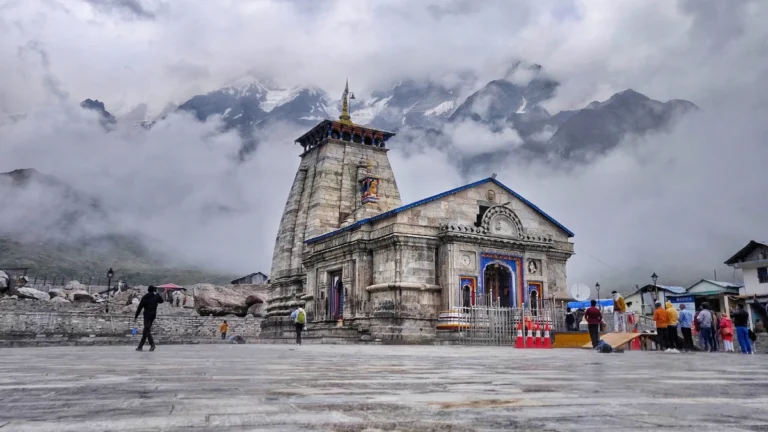
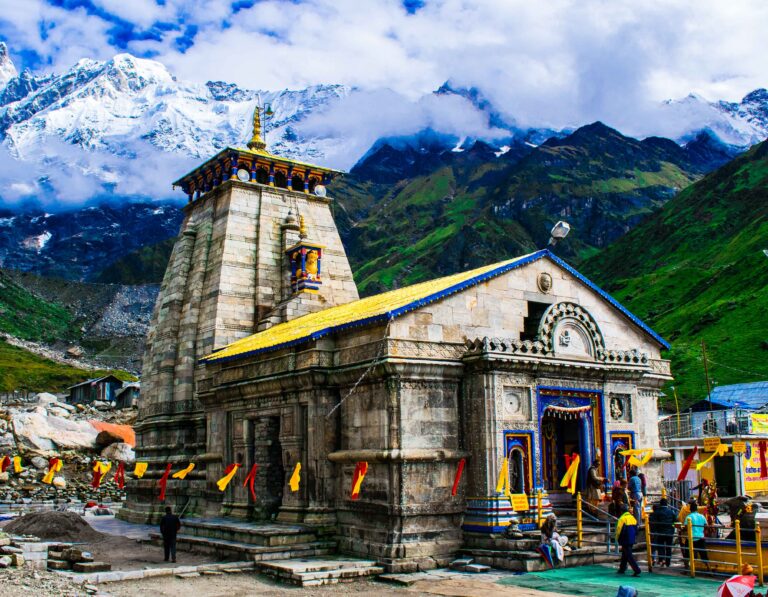
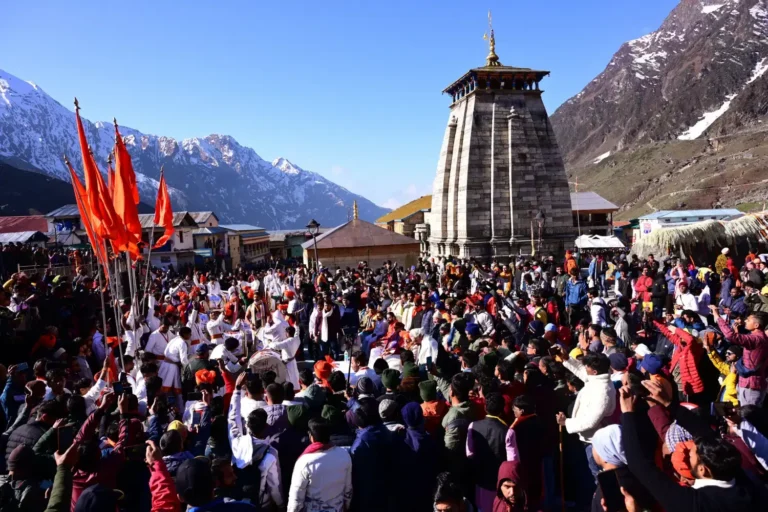
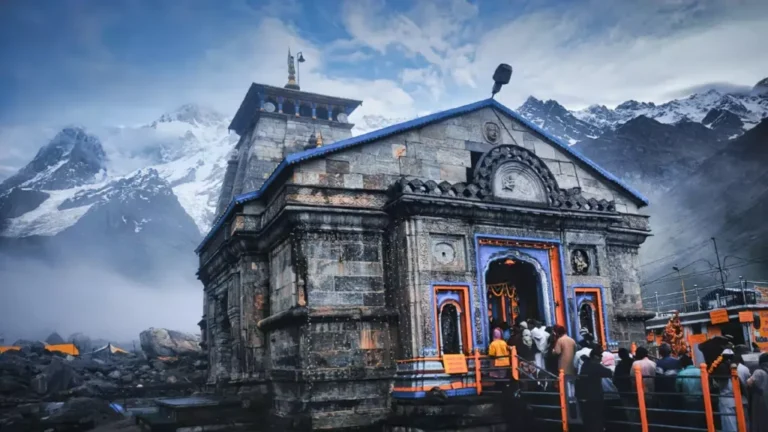
A Chardham Yatra is a deeply spiritual and physically demanding pilgrimage through the Himalayan foothills. Good packing isn’t just convenience — it can make the difference between a serene, focused pilgrimage and an uncomfortable, stressful trip. Below is a thorough, practical 1500-word guide that covers everything you should pack for safety, comfort, and devotion, organized by category and purpose so you can prepare smartly.
1. Travel documents & money (must-haves)
- ID & photocopies: Carry original government ID (Aadhaar, passport, driver’s license) and 2–3 photocopies. Keep scanned copies on your phone/cloud and email them to a trusted contact.
- Permits & booking confirmations: Printouts and digital copies of hotel bookings, transportation tickets, and any local permits required.
- Emergency contacts: A written list (on paper) of family contacts, local emergency numbers, and the travel agent’s info.
- Cash & cards: Carry sufficient cash in small denominations — ATMs can be sparse in remote stretches. Keep cards in a separate pouch and inform your bank about travel dates.
- Travel insurance: Print or store policy details and claim numbers accessible offline.
2. Clothing — layer for mountain weather
Weather in Chardham regions (Yamunotri, Gangotri, Kedarnath, Badrinath) can shift rapidly: sun at noon, frozen mornings, and cold nights. Plan layers.
- Base layers: Moisture-wicking thermal tops and leggings (1–2 sets). Avoid cotton for base layers.
- Mid layers: Fleece or wool sweater for warmth.
- Outer layer: Light, waterproof, breathable jacket (Gore-Tex or similar). A compact down jacket (or synthetic equivalent) is essential for evenings and higher altitudes.
- Shirts & trousers: 2–3 quick-dry shirts, 1–2 pairs hiking pants, and 1 casual outfit for temple visits.
- Underwear & socks: Enough for a week — carry wool or synthetic hiking socks (2–3 pairs) plus extra innerwear.
- Rain gear: Packable poncho or full rain suit; an umbrella can help in towns but won’t be practical on treks.
- Headwear: Warm beanie, sun hat or cap, and a scarf (also useful in temples).
- Footwear: Sturdy waterproof trekking shoes with good grip (well broken-in), plus lightweight sandals or slippers for lodges and temple areas.
- Gloves: Insulated gloves and a thin liner pair for dexterity.
- Sunglasses & UV protection: High-quality sunglasses and SPF sunscreen — mountain sun is strong.
3. Trekking & safety gear
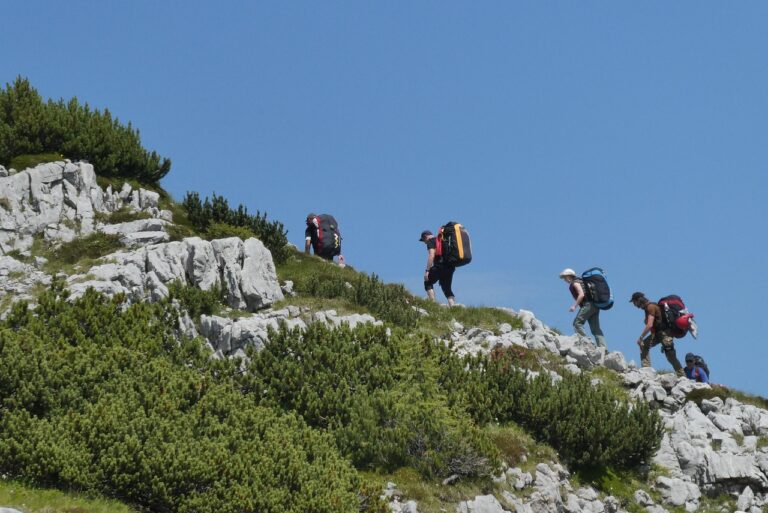
Even if much of the route is accessible by vehicle, short treks and uneven paths demand proper gear.
- Daypack: 20–30L comfortable daypack with raincover for temple-day essentials.
- Walking stick/trekking poles: Adjustable poles reduce knee strain and help during river crossings and rocky paths.
- Headlamp & spare batteries: For early morning/late evening walks or power cuts.
- First-aid kit: Bandages, antiseptic wipes, blister plasters, adhesive tape, tweezers, painkillers, anti-inflammatory, antihistamine, antacid, oral rehydration salts, and any personal prescriptions.
- Altitude precautions: If you’re prone to altitude sickness, carry Diamox only after medical advice; consult your doctor beforehand.
- Water bottle & purification: Insulated water bottle and water purification tablets or a filter straw — avoid drinking untreated water.
- Emergency blanket: Compact foil blanket for sudden cold or injury.
- Whistle & multitool: Small whistle for alerting others and a multitool for basic repairs.
4. Toiletries & hygiene
Hygiene can be challenging in remote lodges; pack to stay clean and prevent sickness.
- Toiletry kit: Travel toothbrush, toothpaste, biodegradable soap, shampoo, small quick-dry towel, nail clipper.
- Sanitation supplies: Toilet paper, wet wipes (biodegradable if possible), and hand sanitizer (70% alcohol).
- Menstrual hygiene: Sufficient sanitary pads/tampons or a menstrual cup; carry a small disposal bag.
- Sun & skin protection: Broad-spectrum sunscreen (SPF 30+), lip balm with SPF.
- Mosquito repellent: Especially useful in lower elevation evenings.
5. Electronics & power
Connectivity is limited in the mountains; be prepared and conservative with power.
- Mobile phone & power bank: High-capacity power bank (≤ 2 chargers for flights) and USB charging cable. Solar chargers can help but are slow.
- Camera: Optional — smartphone cameras usually suffice. Extra memory cards and batteries if using a DSLR.
- Universal adapter: In case you need to plug in different sockets.
- Portable speaker: Avoid loud gatherings near temples; use earphones instead.
- Offline maps & apps: Download maps and emergency information offline before you go.
6. Food & snacks
Food variety can be limited; pack smart snacks for energy between stops.
- Light eatables: Dry fruits, nuts, energy bars, glucose tablets, biscuits, and instant soups.
- Tea/coffee sachets: For comfort in remote stays.
- Electrolyte powder: Helpful to avoid dehydration after long travel.
7. For comfort & temple etiquette
The Chardham Yatra blends devotion and culture — respect local customs.
- Modest clothing: Carry a shawl or modest attire for entering temples (shoulders and legs covered).
- Reusable shopping bag: For carrying prasad or items and to reduce plastic waste.
- Small temple kit: Incense sticks, camphor, and a small packet of rice — but check local rules; many shrines provide prasad and may not allow personal offerings.
- Foldable mat: Lightweight mat for sitting during aarti or waiting in queues.
8. Special items for winter / snow months
If traveling between October and March, expect snow at higher altitudes.
- Cramp/traction aids: Microspikes or trekking gaiters if you expect icy patches.
- Hand and foot warmers: Disposable warmers for long waits or high-altitude stays.
- Extra thermal layers: More insulation than summer months.
9. Health precautions & medicines
Consult your doctor before traveling. Carry the following:
- Prescriptions: Original medicines in labeled containers plus a copy of the prescription.
- Common meds: Analgesics, motion sickness tablets, anti-diarrheal, antibiotics (only if previously prescribed), cough syrup.
- Vaccinations: Up-to-date routine vaccinations; consult for specific recommendations.
10. Smart packing & organization tips
- Use packing cubes: Separate clothing, toiletries, and electronics to find items quickly.
- Roll clothes: Saves space and reduces creasing.
- Distribute weight: Keep heavier items close to your back in the daypack to maintain balance.
- Carry a change of clothes in hand luggage: In case your checked luggage is delayed.
- Waterproof pouches: For documents, electronics, and important papers.
- Label everything: Use tags with name and contact details.
11. Minimalist checklist (quick)
Essentials: ID, cash, phone + power bank, daypack, trekking shoes, waterproof jacket, thermal layer, first-aid, water bottle, toiletries, snacks, sunglasses, sunscreen, hat, gloves, spare socks, camera (optional), lantern/headlamp.
12. Final tips for a smooth Yatra
- Pack light but wisely: You’ll appreciate a lighter load on long drives and treks — only carry what you will use.
- Test gear: Break in new shoes and test jackets before departure to avoid blisters and failures.
- Respect local norms: Dress conservatively at temples and follow guidance from priests and guides.
- Stay flexible: Mountain weather and road conditions change; keep an adaptable mindset.
- Leave no trace: Carry back plastic and garbage — protect the sanctity of the pilgrimage sites.
Closing
Preparing the right kit for the Chardham Yatra lets you focus on devotion, reflection, and the stunning landscapes rather than on discomfort. Use this guide as a baseline and adapt it to season, duration, personal health needs, and the exact route your pilgrimage follows. Safe travels and heartfelt darshan!