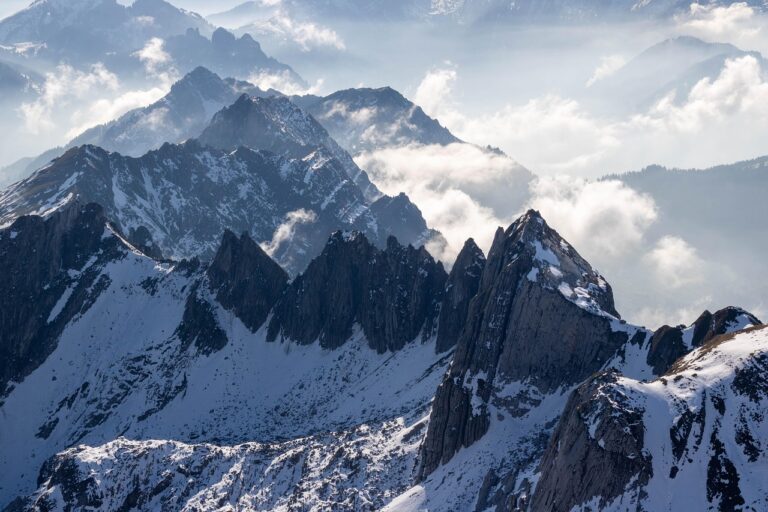
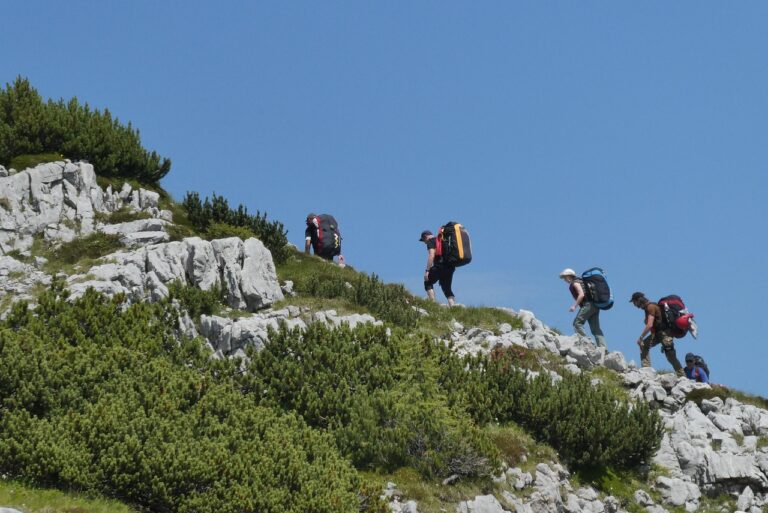
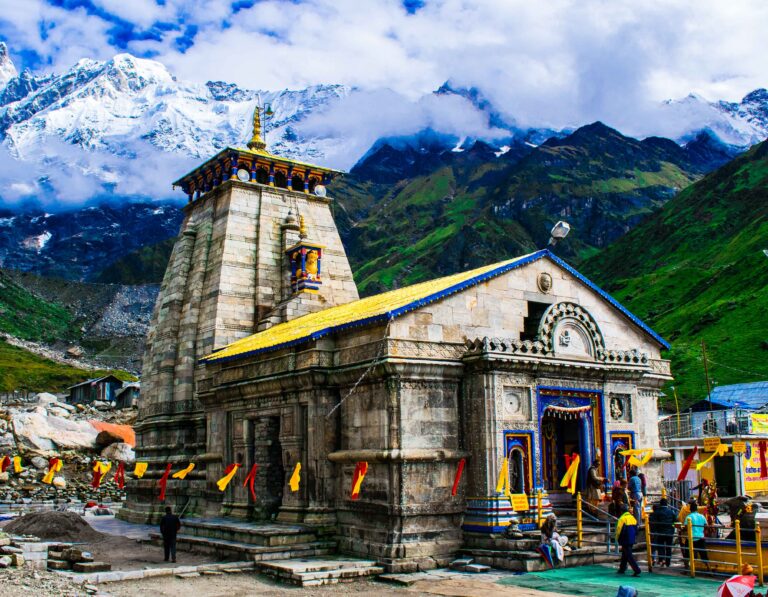
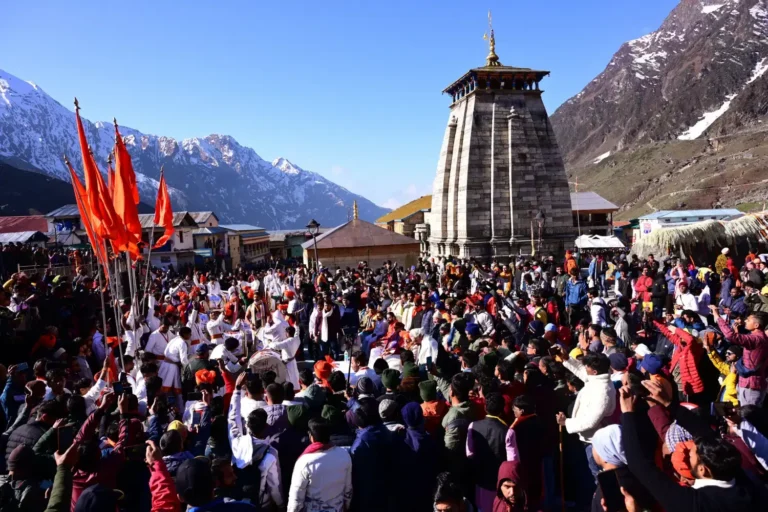
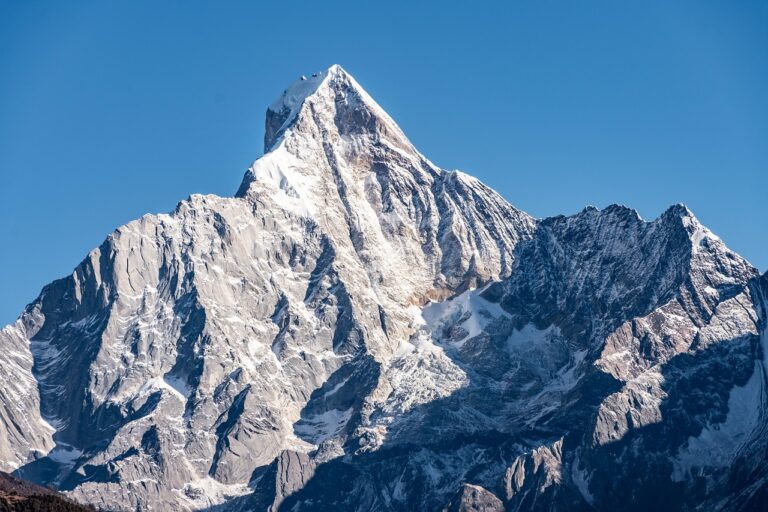
The Chardham — Yamunotri, Gangotri, Kedarnath and Badrinath — is one of India’s most sacred pilgrimages. Traditionally it’s a long road-and-trek journey taking 10–12 days, but helicopter packages have made it possible to complete the circuit in 4–7 days with VIP darshan, comfortable hotels and dramatic aerial views of the Himalaya. If you’re considering the helicopter option, this guide covers typical costs, what’s usually included, the best time to go, safety and booking tips, and smart ways to plan so the trip is smooth and spiritually rewarding.
How helicopter Chardham packages are structured
Most helicopter Chardham packages are “per-seat” group tours organized by travel operators and helicopter service providers, or they can be fully chartered (much more expensive). Typical packages start from Dehradun (Sahastradhara helipad) and follow a loop: Dehradun → Yamunotri → Gangotri → Kedarnath → Badrinath → Dehradun. Each dham is usually allotted a short landing/turnaround time for darshan and local transport; overnight stays are arranged at nearby towns or comfortable hotels to make the schedule feasible. Packages bundle helicopter transfers, ground transfers (hotel ↔ helipad), accommodation, some meals, local guides and (often) VIP darshan arrangements.
Typical cost ranges (what to expect to pay)
Costs vary by operator, season, level of accommodation and whether you book a per-seat package or charter the entire helicopter:
- Budget/Standard per-seat packages: roughly ₹1.5 lakh – ₹2.4 lakh per person. These cover per-seat helicopter transfers, 3–5 nights’ stay (basic to mid-range hotels), MAP (meal plan) and standard ground handling.
- Premium / Luxury per-seat packages: around ₹2.5 lakh – ₹5 lakh per person. These include better hotels, extra services (private transfers, VIP darshan priority, better meal options) and more flexible itineraries.
- Charter helicopters: if you hire a helicopter privately for your group, the price can climb to several lakhs (₹7–9 lakh or higher) depending on helicopter type, fuel surcharges, crew accommodation and itinerary. Chartering is usually justified only for larger groups or very specific timing needs.
Notes: these are ballpark figures based on recent package listings and can change seasonally or with regulatory/safety-driven fare adjustments. Always get a written quotation that breaks down taxes, fuel surcharges and “extras” (palki/pony charges at Yamunotri, shuttle fees at Kedarnath, etc.).
When helicopters operate (best time & seasonality)
Helicopter Chardham operations are heavily weather-dependent. Operators generally run services in two primary windows:
- Pre-monsoon (May–June): good weather window before the monsoon arrives.
- Post-monsoon / autumn (September–October): when skies clear after monsoon and temperatures are moderate.
Operators often suspend flights during heavy monsoon months and sometimes around winter due to snow and low visibility. Seasonal scheduling and shorter daylight hours in shoulder months can result in altered itineraries or sudden changes — so flexibility is essential.
Safety, regulations and what’s changed recently
Helicopter services in Uttarakhand are regulated and have become more safety-conscious after several high-profile accidents in prior seasons. Recent regulatory updates and decisions (including temporary reductions in capacity or revised helipad operations) have affected availability and per-seat pricing in some sectors (for example, Kedarnath shuttle fares have seen increases driven by safety-related operational changes). Because of this, expect some fluctuations in fares and occasional service suspensions or altered transfer points in a given season. Always verify operator credentials and check for licenses, fleet type (twin-engine recommended for mountain ops), and insurance coverage.
What is usually included — and what’s extra
Typically included
- Seat on helicopter transfers covering the Chardham loop (as per itinerary).
- Hotel stays (usually MAP — breakfast + one other meal).
- Local ground transfers (hotel ↔ helipad).
- On-ground guide and pilgrim assistance.
- VIP darshan facilitation (subject to local temple rules).
- Taxes and basic fees.
Common exclusions / extras to budget for
- Temple-specific entry fees, donations and special puja services.
- Pony/palki charges at Yamunotri (often mandatory for those who cannot walk the last stretch).
- Shuttle or porter costs at Kedarnath for the last stretch if landings are at a distance.
- Excess baggage charges (helicopters have strict weight limits).
- Extra nights due to weather cancellations (many operators charge for additional stay and re-scheduling).
- Tips, personal expenses and travel insurance.
Booking: do’s and don’ts
Do:
- Book with licensed operators who publish clear itineraries, inclusions, cancellation and refund policies. Look for clear mention of helipad fallback plans and weather-related rules.
- Confirm start point and timings. Many packages start from Sahastradhara (Dehradun) or Dehradun airport helipads; confirm whether transfers from airports/railway stations are included.
- Get a detailed invoice listing helicopter sectors, weight limits, and penalties for no-shows or skipped sectors.
- Buy travel insurance that covers helicopter travel, medical evacuation and weather-related trip interruption.
- Carry government ID (Aadhaar for Indians, passport for foreign nationals) — mandatory for boarding.
Don’t:
- Don’t accept verbal promises — get everything in writing (especially VIP darshan claims and refund rules).
- Don’t travel with excess luggage — helicopters enforce strict per-passenger weight and baggage rules (sometimes as low as 5–8 kg per passenger for certain sectors).
Health, altitude and practical tips
- Acclimatize where needed. Although helicopter transfers minimize trekking and long road travel, some Dhams (Kedarnath, Badrinath) are at high altitude. Seniors, children and people with heart or respiratory conditions should consult a doctor before travel.
- Pack smart: warm layers, sun protection, sunglasses, small first-aid kit, necessary medications, and comfortable shoes for short walks at dhams.
- Weight & fitness: operators may ask for accurate body weight at booking to calculate load and seating — be honest. Overweight passengers sometimes face extra charges or denials to ensure safety margins.
What to expect on the day(s) of flying
- Early starts: Helicopter packages often begin early (to use calm morning air) and may involve several short flights in a single day.
- Quick turnarounds: you’ll often have 60–120 minutes at a dham for darshan/puja and then re-board. Keep essentials in a daypack.
- Weather delays: operators prioritize safety; be mentally prepared for delays or itinerary shuffles, especially around Kedarnath where mountain weather changes fast. Have contingency plans for flights/return travel.
Money-saving tips
- Book early & compare operators. Early-bird fares and fixed-departure group tours usually cost less than last-minute bookings.
- Avoid peak festival dates when demand (and prices) spike.
- Consider off-peak hotels if you’re flexible — some packages allow swapping a luxury night for a standard night to lower the total cost.
- Travel in small groups — sometimes groups of 4–6 on per-seat bookings secure better pricing than solo travelers.
- Read cancellation policies carefully — weather cancellations are common; see how refunds or rescheduling are handled.
Final checklist before you go
- Confirm operator license, helicopter model and insurance.
- Get a written itinerary and breakdown of inclusions/exclusions.
- Carry printed vouchers, IDs, copies of medical prescriptions, and emergency contact numbers.
- Pack light and keep essential items in hand luggage.
- Buy travel insurance that explicitly mentions helicopter travel and emergency evacuation.
Closing thoughts
A Chardham Yatra by helicopter transforms a physically demanding, time-consuming pilgrimage into an efficient, comfortable and visually spectacular journey. It comes at a premium, and the price reflects aircraft operations, safety protocols, fuel and logistics in sensitive mountain terrain. If your priority is time, comfort and a VIP-style pilgrimage experience — and you accept that mountain weather and safety regulations can alter plans — the helicopter option is a powerful way to complete the Chardham circuit. If you choose this route, do your homework: compare operators, confirm all charges in writing, prepare for weather-related flexibility and respect the high-altitude environment and its rules.